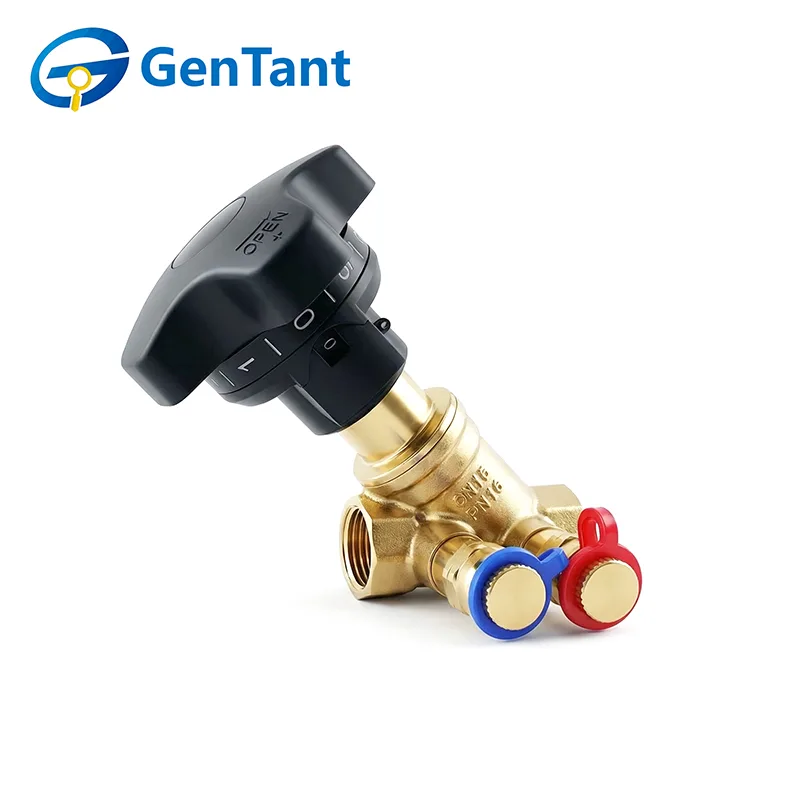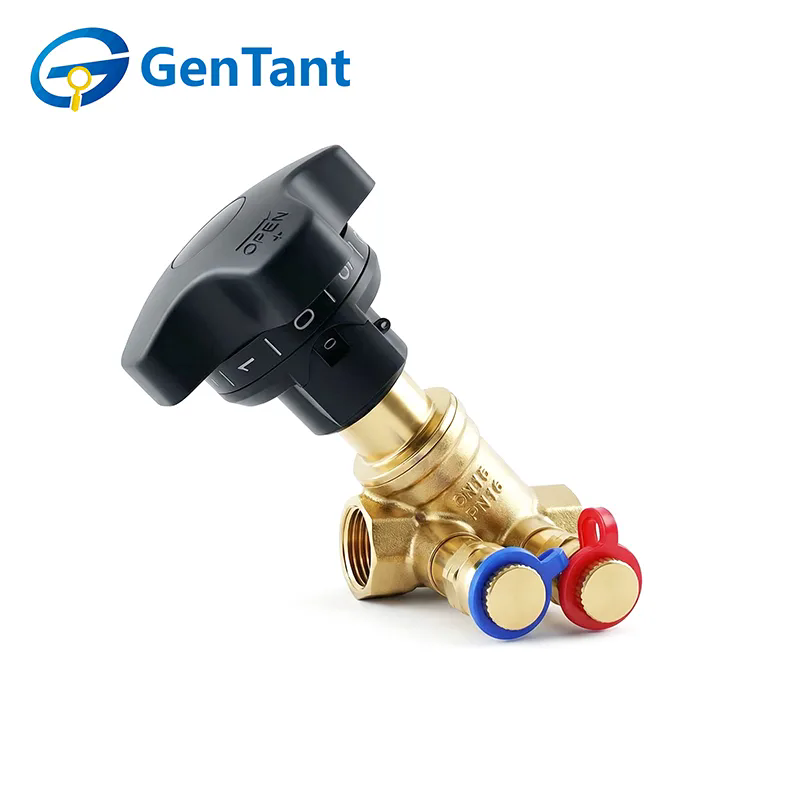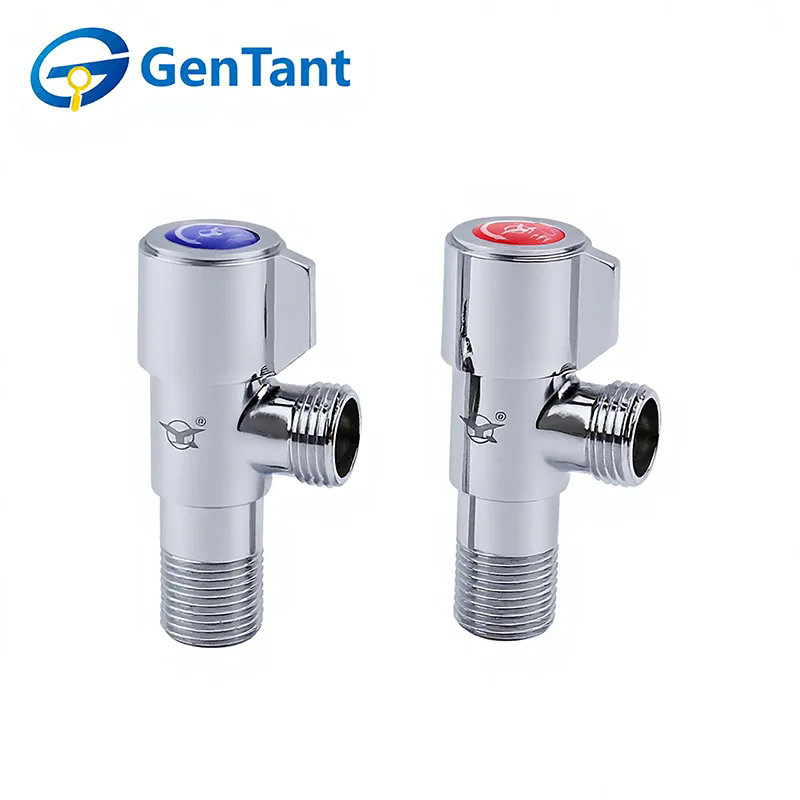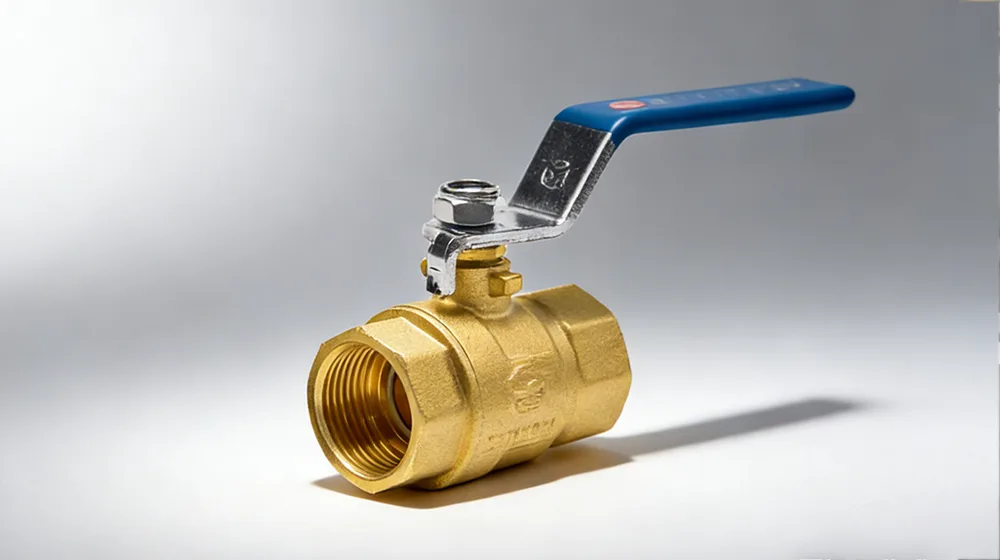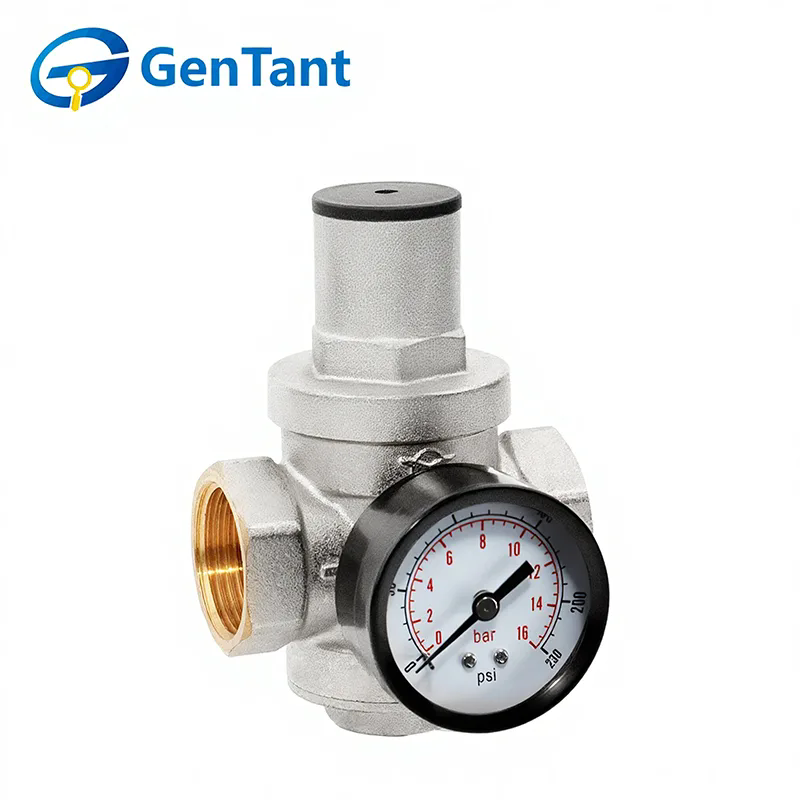
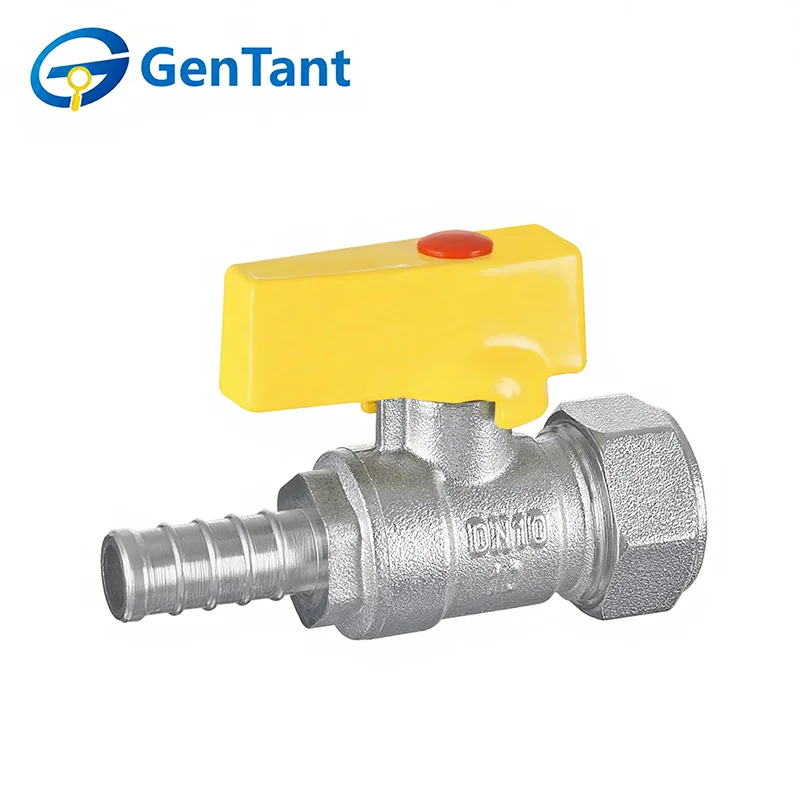
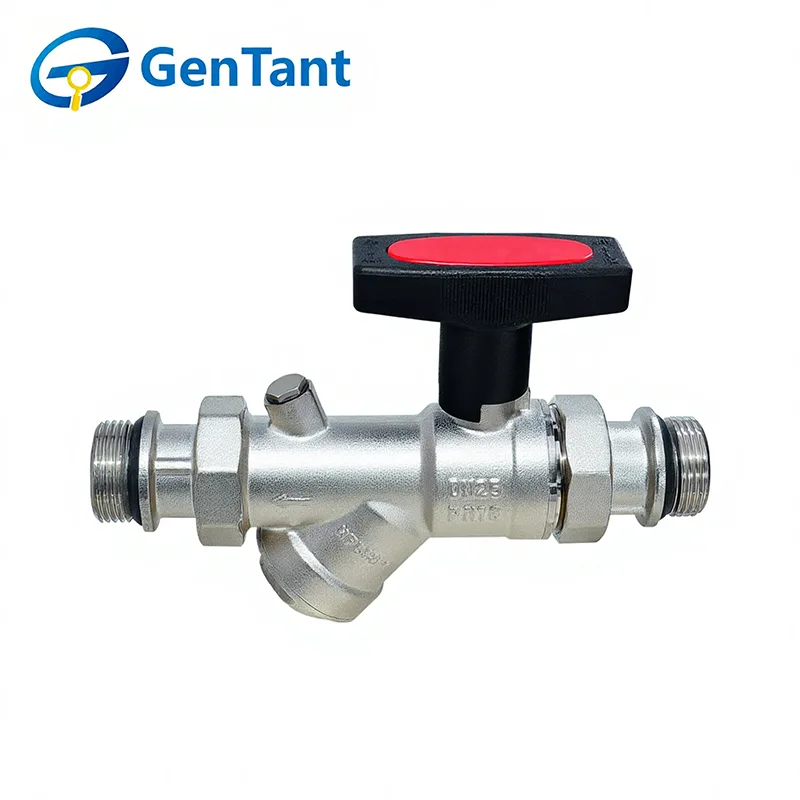
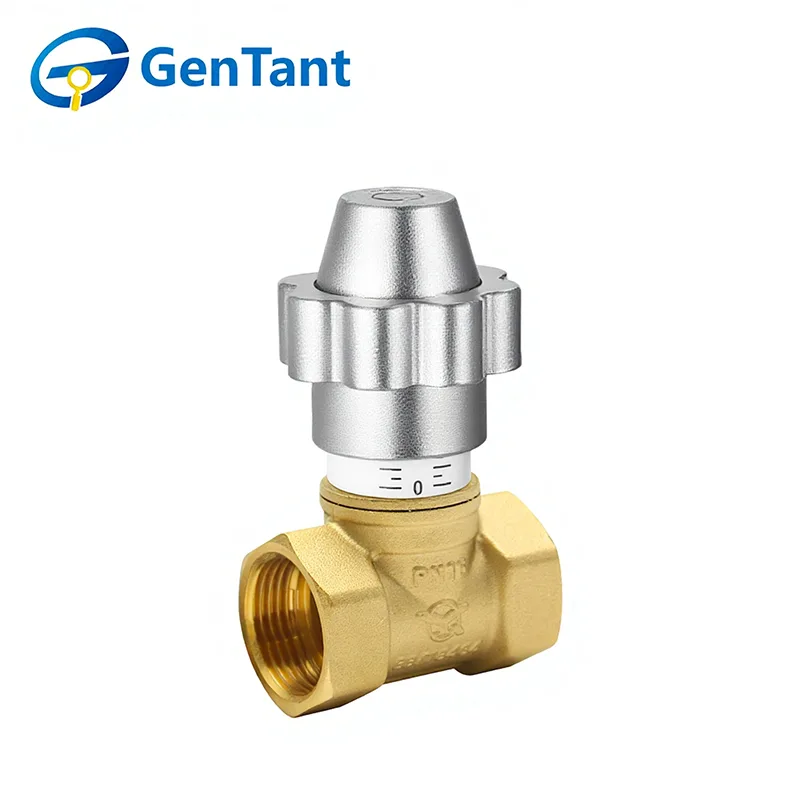
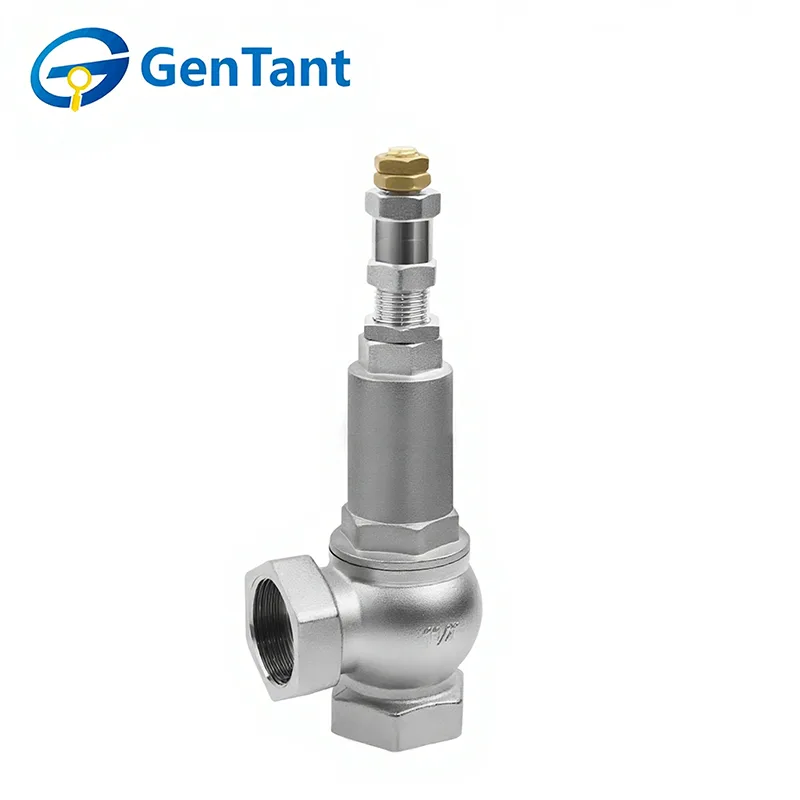
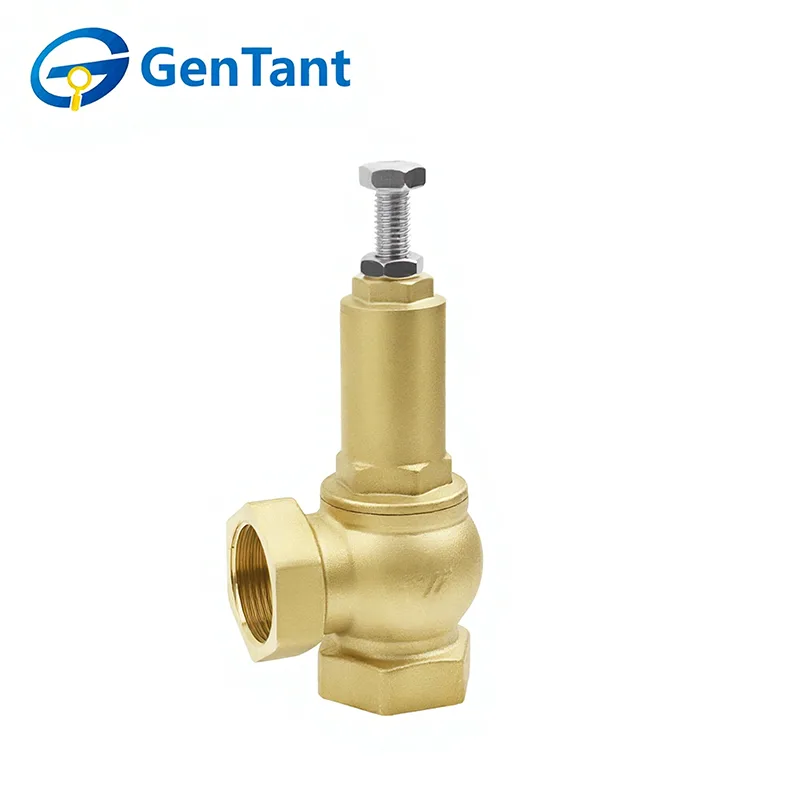
Electroplated Bypass Safety Valve
Do you want to buy discount and quality Electroplated Bypass Safety Valves? Our dear customers all around the world, you are welcome to buy directly from our factory in China. Our manufacturing integrity is guaranteed by a comprehensive suite of in-house testing measures. Core Testing Capabilities include: Performance & Hydraulic Testing using specialized benches for flow, pressure, and mixing; Mechanical & Fatigue Testing with spring and torque analyzers; Non-Destructive & Material Analysis via spectrometry and ultrasonic flaw detection; and dedicated Safety & Compliance Testing. This rigorous, multi-stage verification ensures every valve delivers guaranteed reliability, performance, and long-term value.
An Electroplated Bypass Safety Valve is a specialized pressure relief device that performs the dual function of maintaining system safety and regulating bypass flow. Its primary role is to automatically open and release excess pressure when a critical set point is exceeded, preventing damage to pumps, compressors, or piping systems. Simultaneously, its integrated bypass design allows for controlled recirculation or diversion of fluid, which helps stabilize system pressure, manage minimum flow requirements, and prevent overheating or cavitation in closed-loop systems. The electroplated finish provides enhanced corrosion resistance, ensuring durability and reliable performance in demanding or corrosive environments common in HVAC, water treatment, and industrial process applications.
Product Feature and Application
The Electroplated Bypass Safety Valve provides critical overpressure protection by automatically opening at a preset pressure to divert excess flow. It features precise calibration, robust construction for high reliability, and a tamper-proof setting to ensure consistent safety performance.
Bypass safety valve is essential for safeguarding pumps, heat exchangers, and boilers in HVAC systems, industrial processes, and fire protection circuits. It prevents damage during sudden flow changes, system start-ups, or pressure surges, ensuring operational continuity and equipment longevity.
Product Parameter (Specification)
Technical Specification
|
Designation / Name |
1/2" |
3/4" |
1" |
1 1/4" |
1 1/2" |
2" |
|
|
Maximum working pressure (bar) |
16 |
||||||
|
Applicable working temperature (°C) |
-10 - 180 |
||||||
|
Adjustable pressure range (bar) |
1 - 12 |
||||||
|
Factory set pressure (bar) |
3 |
||||||
|
Bending resistance value (N.m) |
105 |
225 |
340 |
475 |
610 |
1100 |
|
Flow Parameters
|
Water Pressure (bar) |
Water Flow (m³/h) |
|||||||
|
1/2" |
3/4" |
1" |
1 1/4" |
1 1/2" |
2" |
2 1/2" |
3" |
|
|
1.0 |
0.9 |
2.1 |
3.8 |
5.5 |
7.2 |
13.0 |
21.5 |
33.5 |
|
2.0 |
1.1 |
2.5 |
4.5 |
6.5 |
10 |
13.0 |
28.5 |
43.0 |
|
3.0 |
1.32 |
2.9 |
5.3 |
7.5 |
11.5 |
18.5 |
33.0 |
50.0 |
|
4.0 |
1.5 |
3.2 |
6.0 |
8.5 |
12.8 |
20.5 |
37.0 |
55.5 |
|
5.0 |
1.7 |
3.56 |
6.5 |
9.5 |
13.4 |
22.5 |
41.0 |
61.0 |
|
6.0 |
1.8 |
3.8 |
7.0 |
10.3 |
15.3 |
24.3 |
44.3 |
66.3 |
|
7.0 |
1.9 |
4.08 |
7.5 |
11 |
16.3 |
26.0 |
47.6 |
71.0 |
|
8.0 |
2.06 |
4.3 |
8.0 |
11.5 |
17.3 |
27.8 |
51.0 |
75.0 |
|
9.0 |
2.15 |
4.56 |
8.5 |
12.2 |
18.3 |
29.2 |
53.8 |
79.5 |
|
10.0 |
2.25 |
4.76 |
9.0 |
12.8 |
19.2 |
30.5 |
57.0 |
84.3 |
|
11.0 |
2.32 |
4.82 |
9.2 |
13.3 |
20.1 |
32.0 |
59.3 |
88.5 |
|
12.0 |
2.45 |
5.0 |
9.5 |
14 |
20.8 |
33.3 |
62.3 |
92.3 |
Product Dimension
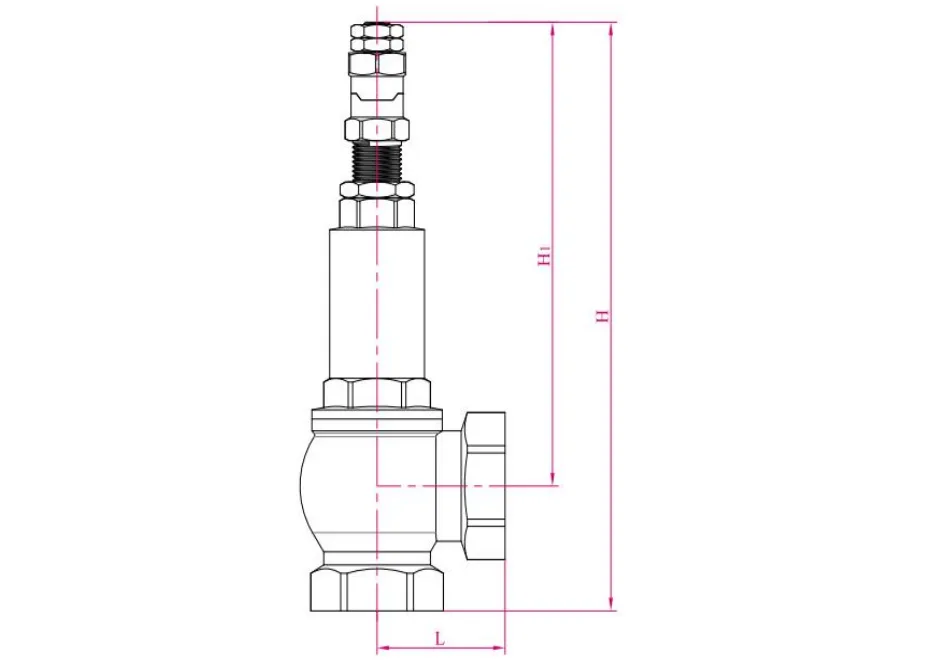
|
Specifications |
L (mm) |
H1 (mm) |
H (mm) |
Weight (g) |
|
1/2" |
31.5 |
119 |
143.5 |
400 |
|
3/4" |
38 |
147 |
179 |
670 |
|
1" |
42.5 |
168 |
204 |
960 |
|
1 1/4" |
53 |
176 |
223 |
1587 |
|
1 1/2" |
61 |
219 |
273 |
2436 |
|
2" |
73.5 |
258 |
322 |
3960 |
Structure
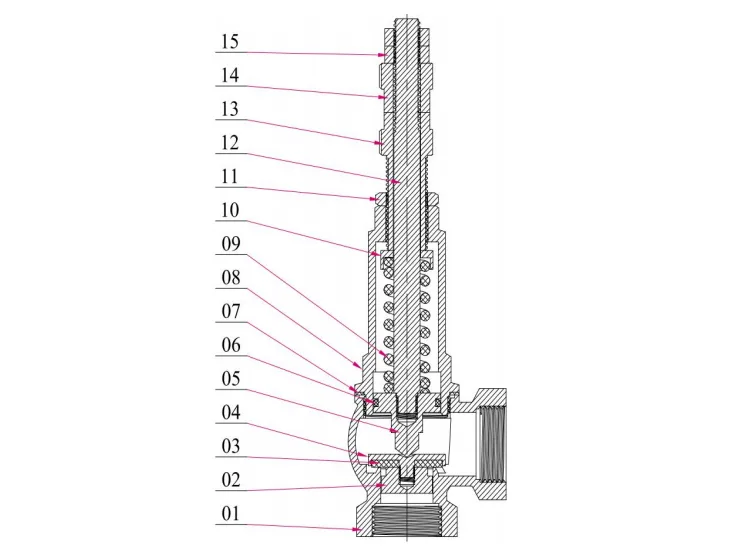
|
Item No. |
Product Name |
Material |
|
1 |
Valve body |
HPb59-1 |
|
2 |
Water press plate insert |
HPb59-1 |
|
3 |
Flat washer / gasket |
EPDM |
|
4 |
Water press plate |
HPb59-1 |
|
5 |
Valve core / spool |
HPb59-1 |
|
6 |
O-ring |
EPDM |
|
7 |
Seal ring / gasket |
PTFE |
|
8 |
Adapter / Nipple |
HPb59-1 |
|
9 |
Spring |
65 Mn (Manganese Steel) |
|
10 |
Spring retainer plate |
HPb59-1 |
|
11 |
Lock cap / retaining nut |
HPb59-1 |
|
12 |
Threaded rod / Screw |
HPb59-1 |
|
13 |
Adjusting nut |
HPb59-1 |
|
14 |
Adjusting cap |
HPb59-1 |
|
15 |
Nut |
HPb59-1 |
Working Principle
A safety valve is a special type of valve whose opening and closing components are kept normally closed by an external force. When the pressure of the medium inside equipment or pipelines rises above a specified value, it prevents the medium pressure inside the pipe or equipment from exceeding that value by discharging the medium outside the system. Safety valves belong to the category of automatic valves and are primarily used on boilers, pressure vessels, and pipelines to control pressure so it does not exceed the set limit, playing a vital protective role for personal safety and equipment operation.
Note: Safety valves must undergo a pressure test before they can be used.
Installation and operation instructions
Before installing a Electroplated Bypass Safety Valve, the pipeline must be thoroughly cleaned and purged. This relates to whether the safety valve can work properly and fulfill its intended purpose, while also directly affecting its operational performance, sealing performance, and flow rate indicators.
Installation Position of the Safety Valve
When selecting the installation position for a safety valve, the following issues should be noted:
1.1 The safety valve should be installed vertically at the most pressure-sensitive point in the protected system or equipment, such as the top of a boiler;
1.2 The safety valve should be installed in a location that facilitates disassembly and periodic inspection and maintenance;
Installation of Safety Valve Inlet Piping
It is best to install the safety valve vertically and directly onto the boiler's connection pipe, without additional inlet piping. If inlet piping must be used, its inner diameter should not be smaller than the safety valve's inlet diameter, and it should be as short as possible to reduce pipeline resistance and the moment force exerted by the safety valve's discharge reaction force on the boiler joint.
Installation of Safety Valve Discharge Piping
To minimize the impact of the discharge piping on the safety valve's performance, the following points should be noted during installation:
3.1 The inner diameter of the discharge pipe should be larger than the outlet diameter of the safety valve to avoid excessive back pressure, which would affect the safety valve's operation;
3.2 The piping should be adequately supported to prevent pipeline stress (installation stress and thermal stress) from being added to the safety valve, which would affect the safety valve's performance;
3.3 In principle, it is better for each safety valve to use a separate discharge pipe. If two or more safety valves share a common header pipe (collecting pipe), the header pipe must have sufficient discharge area, and the change in flow direction where the discharge pipe enters the header pipe should be as small as possible;
3.4 The discharge pipe should have appropriate drain holes (weep holes) to prevent the accumulation of rain, snow, condensate, etc., inside the discharge pipe;
3.5 It is unreasonable for the weight of the discharge pipe to be borne by the safety valve's outlet branch pipe; instead, it should be supported by a dedicated support structure, which should be able to prevent the pipeline from moving or vibrating due to the reaction force when the safety valve discharges.
Guidance on Safety Valve Performance Adjustment
The safety valves provided by our company are tested at room temperature according to standard regulations (the factory set pressure is 3 bar). However, there is a temperature difference between the actual operating condition of the safety valve and the room temperature setting, which results in a deviation in the set pressure (opening pressure) between the room temperature setting and the actual operating condition. For this reason, safety valves with significant temperature differences must undergo on-site hot adjustment. The adjustment content generally involves the adjustment of the set pressure (opening pressure) and the adjustment of the discharge pressure.
Adjustment of Set Pressure and Discharge Pressure
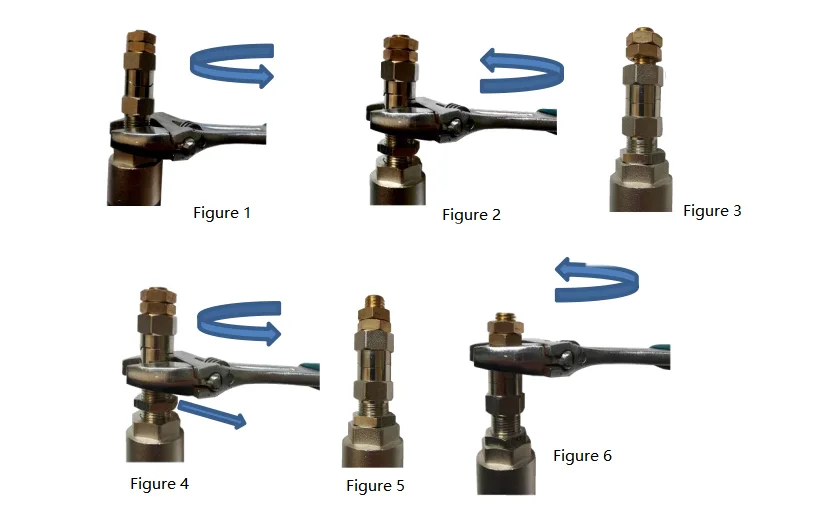
Loosen the lock nut (Figure 1). Within the specified working pressure range of the spring, rotate the adjusting nut to change the spring's compression amount and adjust the opening pressure. When adjusting, first slowly increase the safety valve inlet pressure to make the valve pop open twice. If the opening pressure is too low (first reduce the valve inlet pressure), rotate the adjusting nut clockwise (Figure 2). If the opening pressure is too high, first loosen the two nuts (Figure 3) and then rotate the adjusting nut counter-clockwise (Figure 4). Once adjusted to the required opening pressure, tighten the lock nut and the two nuts (Figure 5).
Manual Venting Test
The flat washer/gasket of the safety valve and the valve body are normally in a tightly compressed, closed state. If regular manual venting tests are not performed, over time they can easily stick to each other. In the event of an overpressure condition, the safety valve may find it difficult to sound a normal alarm, potentially leading to an accident. Regularly performing a manual venting test ensures the safety valve remains sensitive and reliable long-term, avoiding the aforementioned situation.
The safety valve requires regular manual venting tests (gently turn the adjusting cap clockwise (Figure 6)).
1.When venting, pay attention to safety, and ensure the discharge outlet is clear;
2.Gently and smoothly turn the adjusting cap clockwise, pause for a moment, and then smoothly turn it back;
3.Regular venting can be done once a week, and records should be kept.
Send Inquiry
Contact Info
-
Address
Dieyuan Road, YinZhou District, Ningbo, Zhejiang, China
-
Tel
-
Email
If you have any enquiry about quotation or cooperation, please feel free to email us at zchen@gentantvalves.com or use the following inquiry form. Our sales representative will contact you within 24 hours. Thank you for your interest in our products.
News Recommendations