How Motorized Ball Valve Works?
Article Summary: Motorized ball valves are critical components in modern fluid control systems, offering precise automation, reduced manual intervention, and enhanced operational safety. This article explains how a motorized ball valve works, its structure, advantages, selection criteria, and common issues, helping buyers and engineers make informed decisions.
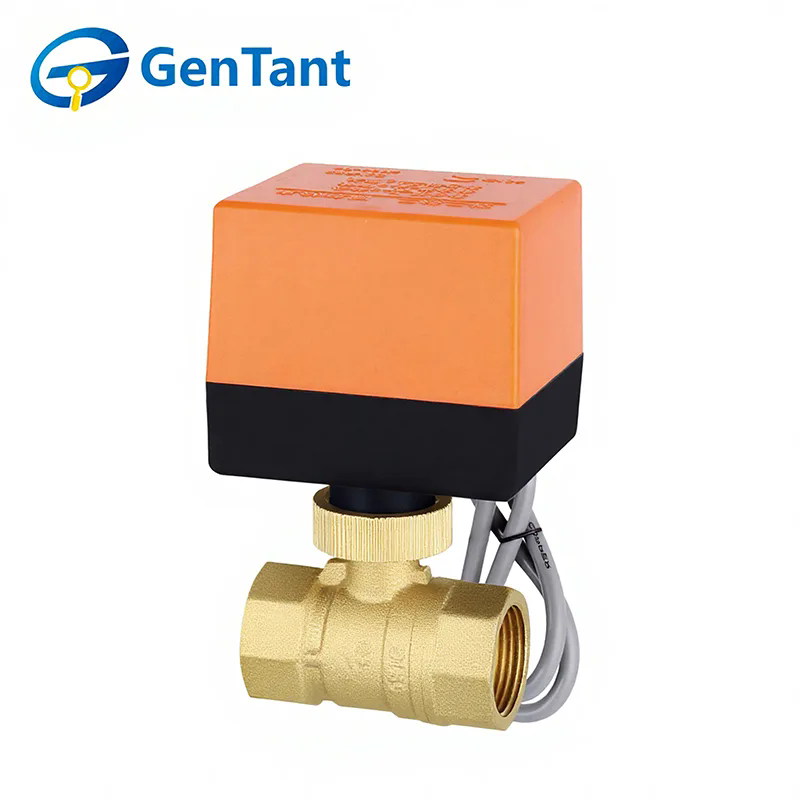
Table of Contents
- Outline
- Introduction
- Working Principle
- Key Components
- Advantages
- Applications
- How to Choose
- Product Parameters
- FAQs
- Conclusion
Outline
- Definition and importance of motorized ball valves
- Detailed working mechanism
- Main structural components
- Benefits in industrial automation
- Selection guide for buyers
- Technical specifications overview
- Common questions and solutions
Introduction
In modern industrial systems, automation and precise fluid control are essential for efficiency and safety. A motorized ball valve is a type of valve that uses an electric actuator to control the opening and closing of a ball valve. Compared to manual valves, it significantly reduces labor costs and enhances operational accuracy.
Companies like GenTant specialize in manufacturing high-performance motorized ball valves designed for durability and reliability in demanding environments. These valves are widely used in water treatment, HVAC systems, oil and gas industries, and chemical processing plants.
Working Principle
The working principle of a motorized ball valve is straightforward yet highly effective. It combines mechanical valve design with electrical automation.
- The electric actuator receives a control signal (such as 0-10V, 4-20mA, or on/off signal).
- The actuator drives a motor, which rotates the valve stem.
- The stem turns the ball inside the valve body (typically 90 degrees).
- When the hole in the ball aligns with the pipeline, fluid flows freely.
- When rotated perpendicular, the flow is completely blocked.
This automated mechanism allows remote control and integration with intelligent control systems, making it ideal for smart industrial environments.
Key Components
A motorized ball valve consists of several critical components that ensure its functionality:
- Valve Body: Houses the internal components and withstands pressure.
- Ball: The rotating element that controls fluid flow.
- Stem: Connects the actuator to the ball.
- Electric Actuator: Provides the driving force.
- Seals and Seats: Ensure tight shutoff and prevent leakage.
Advantages
Motorized ball valves offer multiple advantages that address common customer pain points such as inefficiency, leakage, and maintenance challenges.
- Automation: Eliminates manual operation.
- Precision Control: Accurate flow regulation.
- Durability: Long service life with minimal wear.
- Energy Efficiency: Low power consumption.
- Safety: Reduces human error and exposure to hazardous environments.
Applications
Motorized ball valves are widely used across various industries due to their versatility:
- Water supply and treatment systems
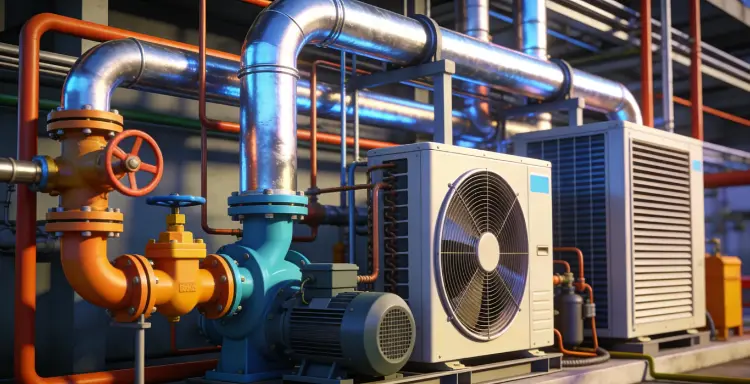
- HVAC systems
- Oil and gas pipelines
- Chemical processing plants
- Food and beverage production
How to Choose
Choosing the right motorized ball valve requires careful consideration of several factors:
- Medium Type: Water, gas, oil, or corrosive chemicals
- Pressure Rating: Ensure compatibility with system pressure
- Temperature Range: Match valve materials with operating conditions
- Control Type: On/off or modulating control
- Power Supply: AC or DC voltage requirements
- Connection Type: Threaded, flanged, or welded
Product Parameters
| Parameter | Description |
| Valve Size | DN15 - DN200 |
| Pressure Rating | PN10 / PN16 / PN25 |
| Material | Stainless Steel / Brass / PVC |
| Temperature Range | -20°C to 180°C |
| Actuator Voltage | AC220V / AC110V / DC24V |
| Control Signal | On/Off or 4-20mA Modulating |
| Connection Type | Threaded / Flanged |
FAQs
Q1: What is the difference between a motorized ball valve and a solenoid valve?
A motorized ball valve uses an electric motor for gradual opening and closing, offering better durability and control. A solenoid valve operates quickly using electromagnetic force but is less suitable for large diameters or continuous operation.
Q2: How long does a motorized ball valve last?
With proper maintenance, high-quality motorized ball valves can last over 50,000 cycles or several years, depending on operating conditions.
Q3: Can motorized ball valves handle high pressure?
Yes, they are designed for various pressure ratings. Selecting the appropriate model ensures safe operation under high-pressure conditions.
Q4: What are common issues and how to solve them?
- Valve not opening: Check power supply and actuator wiring
- Leakage: Inspect seals and replace if worn
- Slow response: Verify actuator performance and lubrication
Conclusion
Motorized ball valves play a crucial role in modern automated systems, providing efficient, reliable, and precise fluid control. Understanding how they work, their components, and how to select the right model can significantly improve system performance and reduce operational costs.
GenTant delivers high-quality motorized ball valves tailored to meet diverse industrial requirements, ensuring durability and optimal performance.
If you are looking for reliable solutions to enhance your fluid control systems, contact us today to get professional support and customized product recommendations.
Related News
- Why Is a Static Balancing Valve Important for HVAC Efficiency?
- Why Are Filtration And Protection Valves Vital for Modern Fluid Systems?
- Why Are Pressure Management And Safety Valves Essential for Modern Fluid Systems?
- How Does a Static Balancing Valve Improve Your HVAC System?
- How Does an Isolation And Shut-Off Valve Improve System Safety?
- How Does a Pressure Reducing Valve Improve System Efficiency and Safety?
Leave me a message