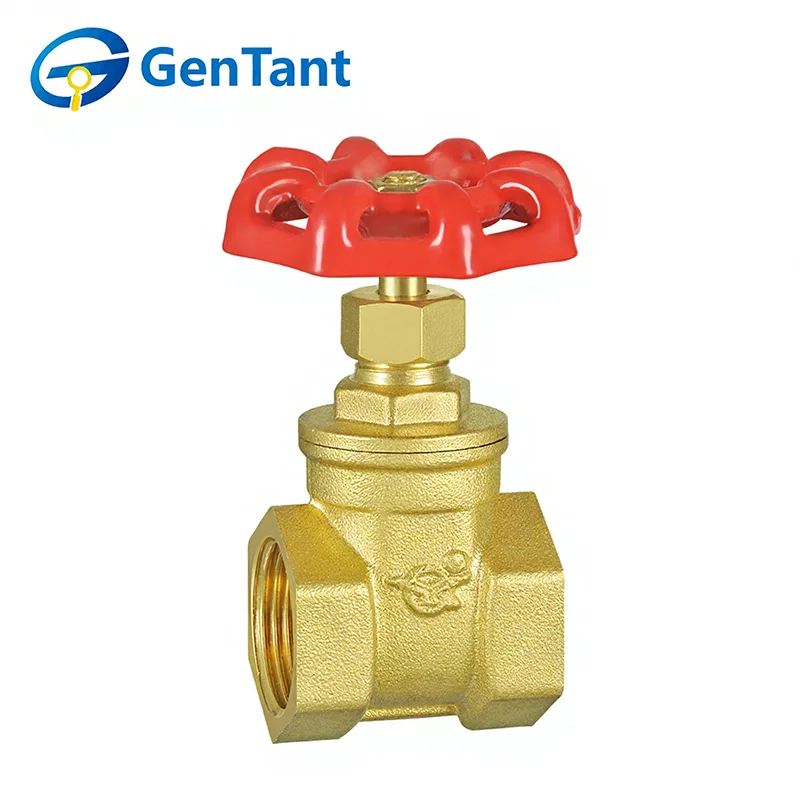
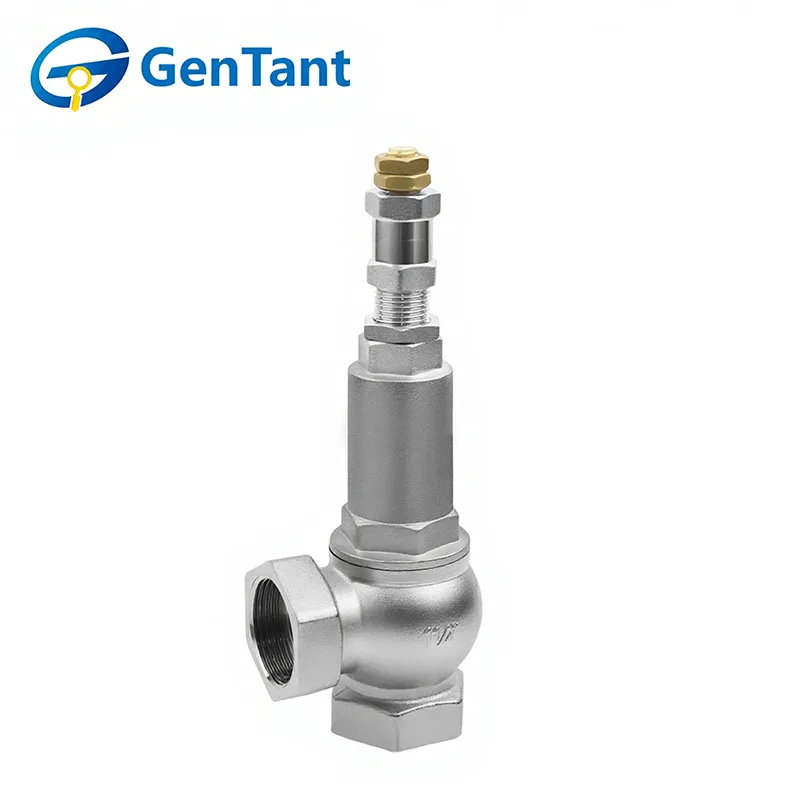
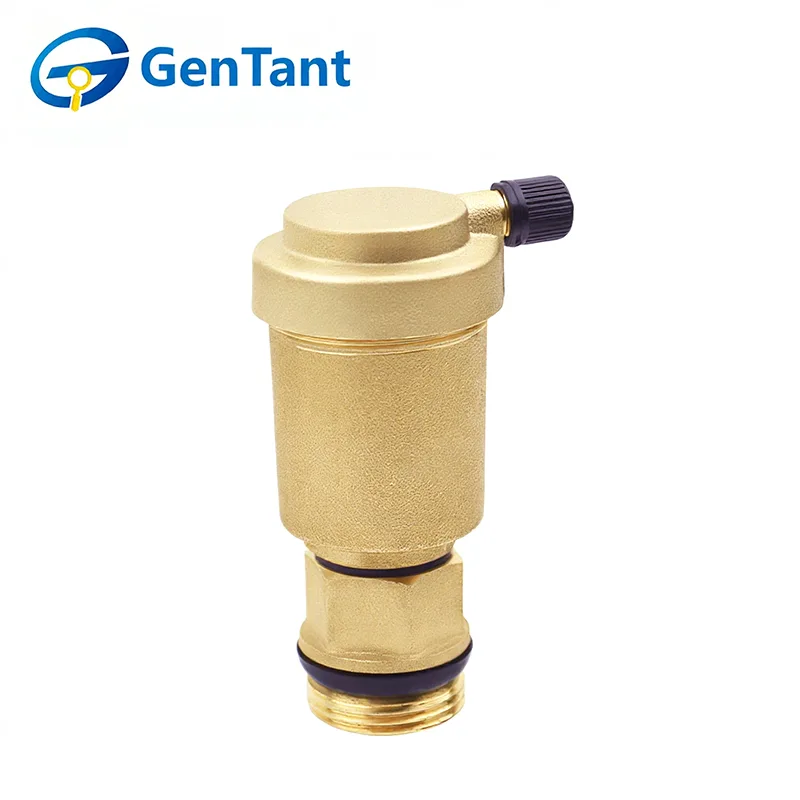
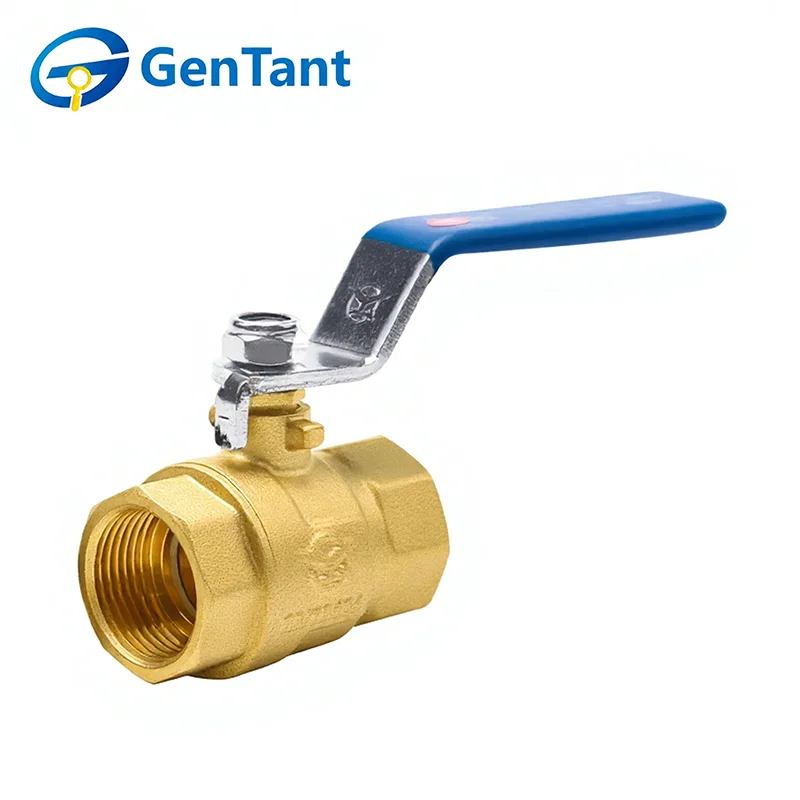
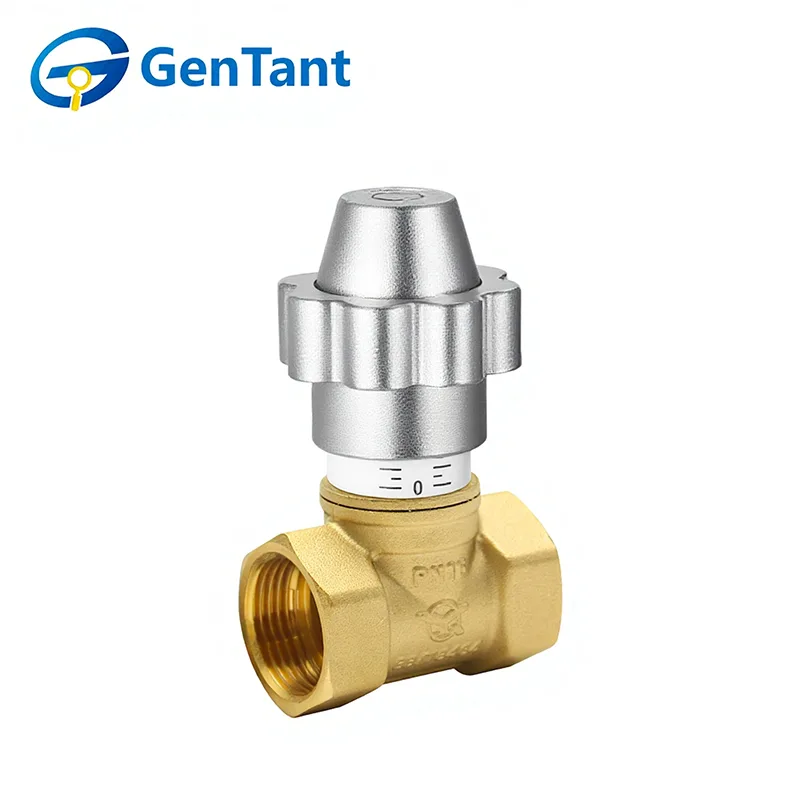
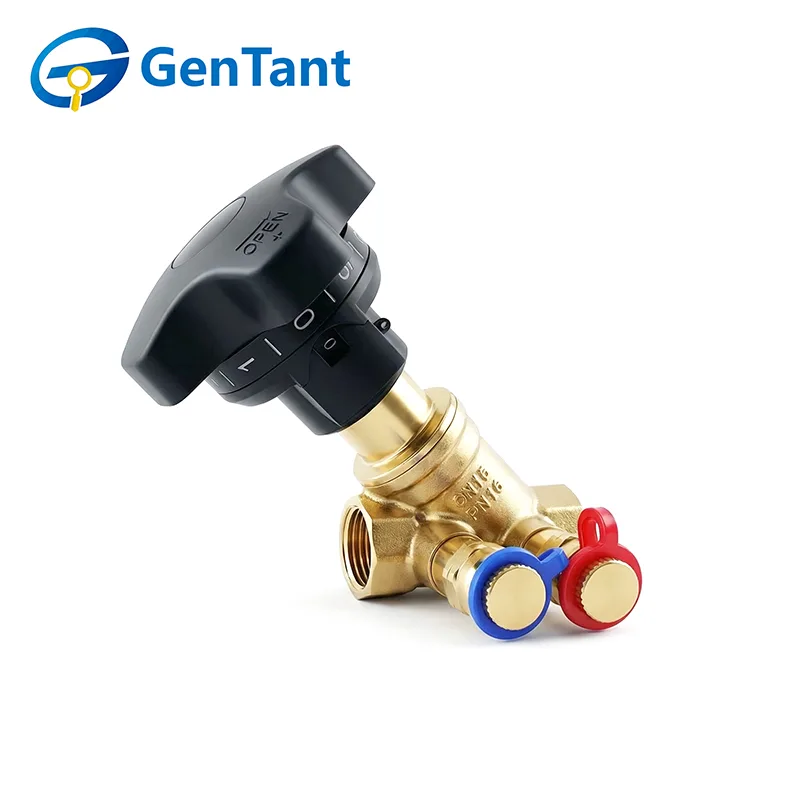
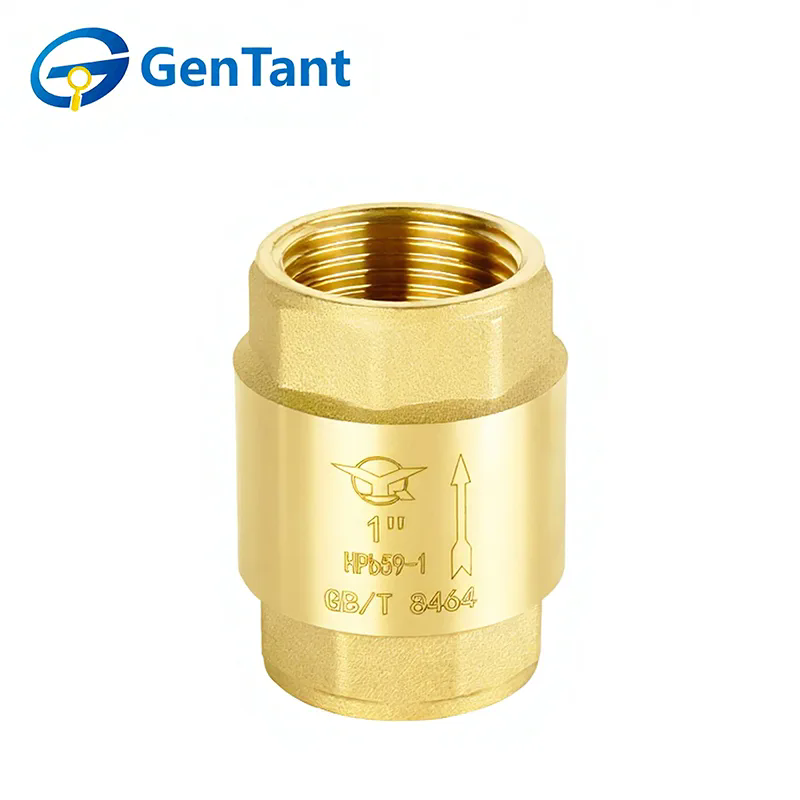
The Three-Way Gas Valve is a core control component in the gas system, responsible for switching, splitting or merging the gas flow paths. By rotating or moving the valve core, the direction of gas flow can be changed. It operates in two main modes: single input double output and double input single output. It has both on-off control and path-switching functions. Due to its excellent sealing performance, temperature control accuracy and safety reliability, it is widely used in gas-based civilian, commercial and industrial equipment, and is a key component for regulating the medium path in the gas system.
I. Core Application Scenarios
The core application of the Three-Way Gas Valve revolves around "on-demand switching of gas pathways". It mainly focuses on gas devices that require precise control of the gas supply direction and adjustment of the fire/temperature. The civilian application segment accounts for the largest proportion. In commercial and industrial scenarios, emphasis is placed on stability and explosion-proof features. Typical applications include:
1. Civil gas appliances (the most popular type)
Gas wall-mounted boiler / heating furnace: The core application scenario enables the switching of gas supply for the heating circuit and the hot water circuit - during heating, gas is supplied to the main heat exchanger; when hot water is preferred, it quickly switches to the secondary heat exchanger, meeting the immediate demands for both heating and hot water without the need for manual operation.
Gas water heater (Zero Cold Water / Dual Mode): It is used to switch between the cold water preheating circuit and the normal water supply circuit for gas supply, achieving the zero cold water function. At the same time, it regulates the gas distribution of the main / secondary burners to precisely control the temperature.
Integrated stove / multi-functional gas cooker: Switch the gas supply paths for the cooking and steaming/baking modules to meet the dual-mode usage requirements of cooking and steaming/baking, avoiding the safety risks of simultaneous gas supply to multiple modules.
2. Commercial gas appliances
Commercial gas steamers, noodle cooking stoves, and drying ovens: By switching the gas supply to different heating chambers, it enables multi-level power adjustment and zone heating, meeting the continuous and large-capacity usage requirements of commercial scenarios.
Gas central air conditioning / Lithium bromide refrigeration unit: As a switching component for the gas supply path as the heat source, it realizes the regulation of gas supply in cooling/heating modes, and is suitable for the HVAC requirements of large buildings.
3. Industrial and Gas Distribution Scenarios
Small industrial gas furnaces and heat treatment furnaces: Adjust the mixing ratio of the gas and the combustion air, or switch the gas supply for different heating sections to achieve precise control of the process temperature.
Gas pipeline household / zone regulation: In the low-pressure gas distribution branch pipes of residential areas and commercial buildings, as a switching valve for the pipeline, it enables zone-based gas supply and local gas interruption during maintenance, without affecting the overall distribution.
Gas power generation / Small gas turbines: Assist in regulating the gas supply path, adapting to the varying gas demand of the unit during start-up, idle, and full-load operations.
II. Core Structure and Working Principle
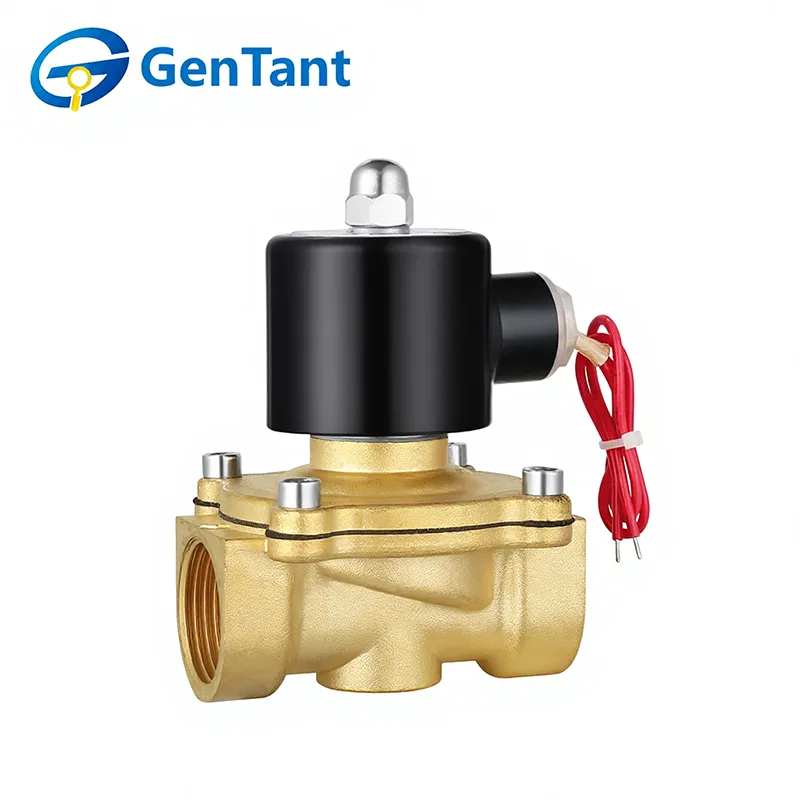
The structure of Three-Way Gas Valve is centered around the valve body, valve core, driving mechanism, sealing component, and interface. According to the driving method, it can be divided into electric type (electromagnetic valve / stepper motor drive), manual type, and pneumatic type. Among them, the electric Three-Way Gas Valve is the mainstream model for civilian equipment. Its working principle is as follows:
The valve body is equipped with 1 inlet port (IN) and 2 outlet ports (OUT1/OUT2) (or dual inlet and single outlet). The valve core is of a rotating / sliding rod type structure, which is closely fitted with the sealing gasket to ensure the sealing performance outside the passage.
The driving mechanism (stepper motor / solenoid valve) receives control signals (such as the temperature control signal of the wall-mounted heater, the water flow signal of the water heater), and drives the valve core to rotate / move.
The position of the valve core is changed to achieve the switching between three states: **Single-Port OUT1, Single-Port OUT2, and Dual-Port (supported by some models)**, thereby controlling the flow direction and supply volume of the gas.
The manual type is mainly used for industrial maintenance and simple gas equipment. The pneumatic type is suitable for industrial scenarios with high explosion-proof requirements. The electric type, due to its ability for automatic control, has become the standard for civilian intelligent gas equipment.
We use cookies to offer you a better browsing experience, analyze site traffic and personalize content. By using this site, you agree to our use of cookies. Privacy Policy