How Do Gas-Specific Valves Enhance Safety and Efficiency?
Article Summary
Gas-specific valves are critical components in industrial, medical, and commercial gas systems, designed to control the flow of specific gases safely and efficiently. These valves ensure precise regulation, prevent cross-contamination, and maintain operational reliability under diverse conditions. This guide provides an in-depth look at how gas-specific valves work, common challenges faced by operators, types of valves available, and best practices for selection and maintenance. GenTant’s high-quality solutions are highlighted as examples of advanced gas-specific valve technology that meets stringent industry requirements.
Table of Contents
- Gas-Specific Valves Overview
- Common Operator Pain Points
- Types of Gas-Specific Valves
- How to Select the Right Gas-Specific Valve
- Factors Affecting Performance
- Gas-Specific Valve Comparison Table
- Maintenance and Longevity Considerations
- Application Scenarios
- Frequently Asked Questions
- Conclusion and Contact Us
Gas-Specific Valves Overview
Gas-specific valves are engineered to regulate, control, or isolate the flow of individual gases in pipelines and equipment. Unlike general-purpose valves, these products are tailored to the chemical properties, pressure levels, and flow characteristics of specific gases, such as oxygen, nitrogen, argon, or carbon dioxide. Their design ensures optimal performance, safety, and compliance with industry standards.
GenTant develops high-precision gas-specific valves that combine material compatibility, precise sealing, and consistent operation to meet rigorous industrial and medical requirements.
Common Operator Pain Points
Operators using gas systems encounter several recurring challenges. Understanding these pain points is essential for selecting appropriate valves and ensuring reliable operation.
- Leaks or contamination due to improper valve selection
- Valve failure under high pressure or extreme temperatures
- Difficulty in matching valves to specific gas types
- Frequent maintenance and short operational lifespan
- Complex installation or integration with existing systems
Addressing these issues requires valves designed for specific gases, high-quality manufacturing, and proactive maintenance strategies.
Types of Gas-Specific Valves
Gas-specific valves vary in design, function, and material selection depending on the intended gas and application. Common types include:
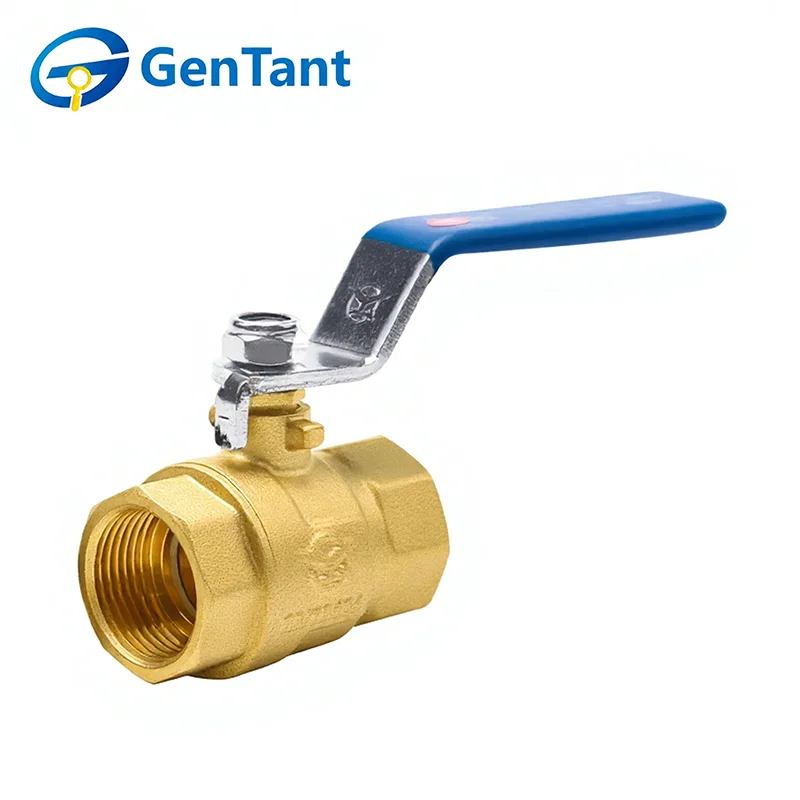
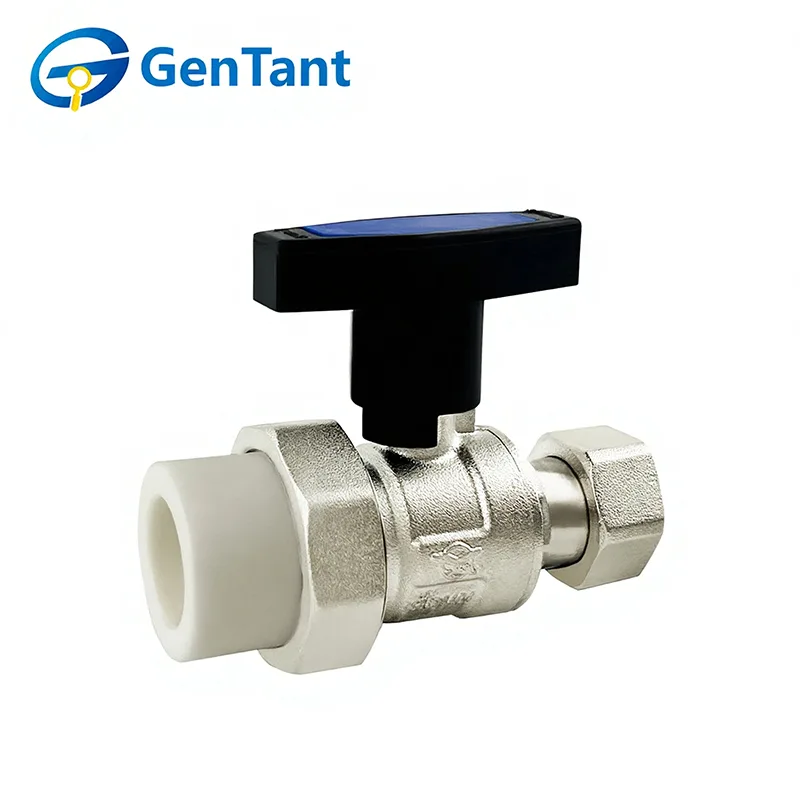
- Ball Valves – Simple on/off operation, suitable for high-pressure systems
- Needle Valves – Fine flow control for precise gas delivery
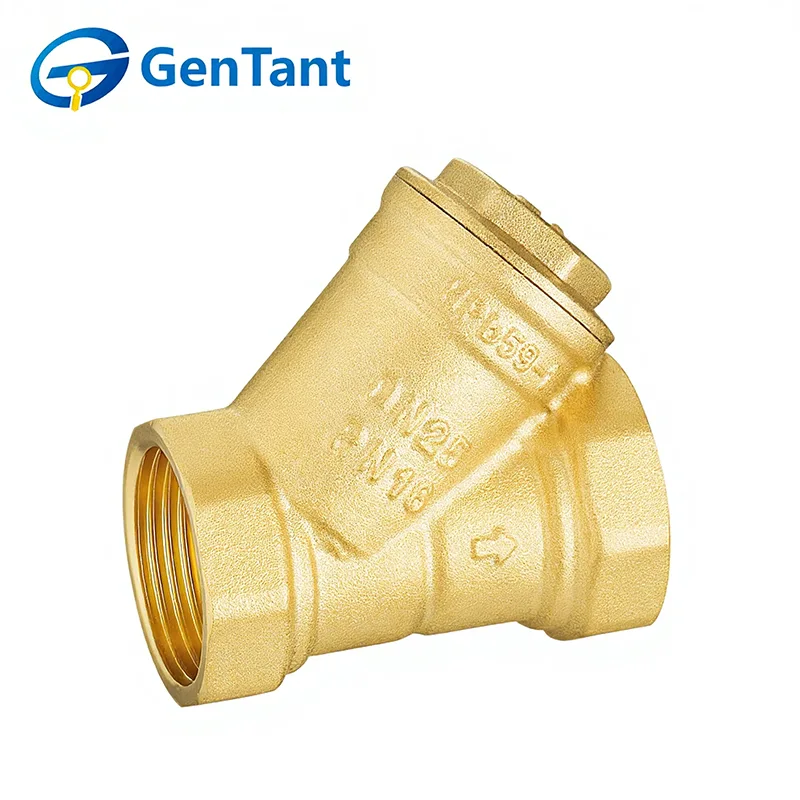
- Check Valves – Prevent backflow and cross-contamination
- Diaphragm Valves – Excellent chemical compatibility and leak prevention
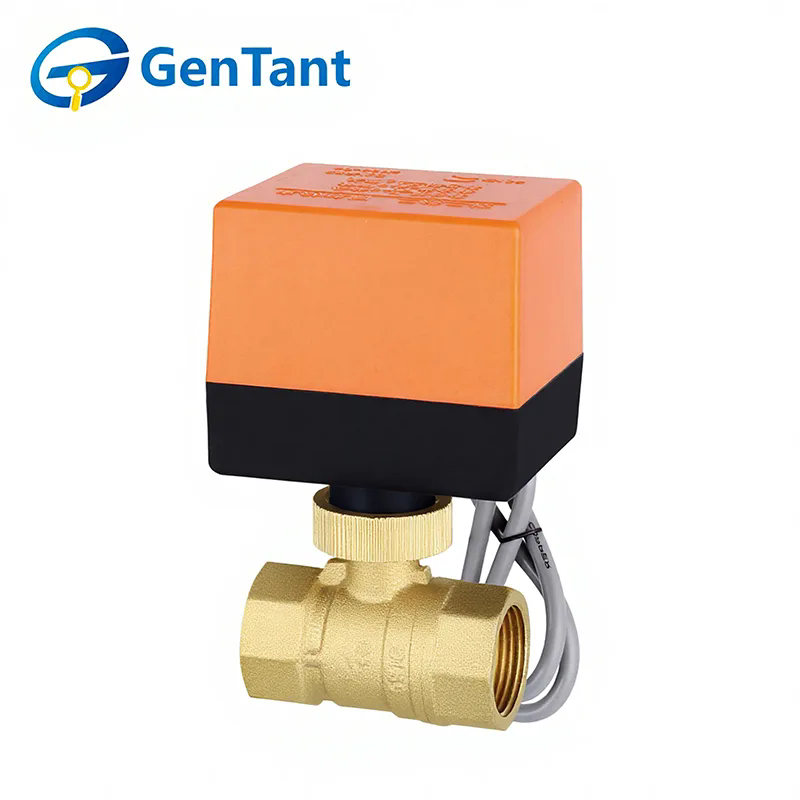
- Solenoid Valves – Automated control with fast response times
How to Select the Right Gas-Specific Valve
Selecting the proper gas-specific valve involves evaluating multiple technical and operational parameters. Key considerations include:
- Type of gas (oxidizing, inert, flammable, corrosive)
- Operating pressure and temperature ranges
- Required flow control accuracy and response time
- Material compatibility with the specific gas
- Compliance with relevant safety and industry standards
GenTant provides technical consultation to help clients choose the optimal valve for each gas application, reducing risk and enhancing system reliability.
Factors Affecting Performance
Performance of gas-specific valves depends on a combination of design, installation, and operational factors:
- Proper sizing for flow rates and pressure drops
- Precision manufacturing and material quality
- Correct installation orientation and alignment
- Regular inspection and maintenance schedules
- Environmental conditions, including temperature and humidity
Optimizing these factors ensures long-term performance and prevents system failures or leaks.
Gas-Specific Valve Comparison Table
| Valve Type | Gas Compatibility | Key Features | Typical Applications |
|---|---|---|---|
| Ball Valve | Oxygen, Nitrogen, Argon | Quick on/off, high pressure tolerance | Industrial pipelines, welding gas supply |
| Needle Valve | Argon, CO2 | Precise flow adjustment | Laboratory equipment, analytical instruments |
| Diaphragm Valve | Corrosive or reactive gases | Leak-proof, chemical-resistant | Chemical processing, pharmaceutical production |
| Solenoid Valve | Various industrial gases | Automated control, fast response | Gas distribution networks, automated systems |
Maintenance and Longevity Considerations
Regular maintenance of gas-specific valves is essential to ensure safety and reliable operation. Recommended practices include:
- Routine inspection for leaks or wear
- Cleaning to remove deposits or debris
- Lubrication where appropriate, based on material compatibility
- Replacement of worn seals and gaskets
- Documentation of maintenance and performance history
GenTant valves are engineered for durability and ease of maintenance, reducing downtime and extending service life.
Application Scenarios
Gas-specific valves are essential across multiple industries and applications:
- Industrial gas distribution and pipelines
- Medical oxygen and anesthesia delivery systems
- Laboratory and analytical instrumentation
- Welding, cutting, and metal fabrication
- Chemical processing and storage
Frequently Asked Questions
Why are gas-specific valves necessary?
They ensure safe and efficient control of individual gases while preventing cross-contamination and system failures.
Can one valve type be used for all gases?
No. Different gases require specific materials and designs to ensure chemical compatibility and safety.
How often should gas-specific valves be maintained?
Maintenance frequency depends on the application, but routine inspection at least every 6-12 months is recommended.
Do gas-specific valves improve system efficiency?
Yes. Properly selected valves optimize flow control, reduce pressure losses, and increase overall operational efficiency.
Conclusion and Contact Us
Gas-specific valves are critical for the safe, reliable, and efficient operation of gas systems in industrial, medical, and commercial applications. By understanding valve types, performance factors, and maintenance requirements, operators can minimize risk and ensure long-term system functionality.
GenTant provides high-quality gas-specific valves designed for precision, durability, and compliance with strict industry standards. If you are seeking reliable valve solutions or expert guidance for your gas system, contact us today to explore how GenTant can support your operational safety and efficiency.
Related News
- Why Is a Static Balancing Valve Important for HVAC Efficiency?
- Why Are Filtration And Protection Valves Vital for Modern Fluid Systems?
- Why Are Pressure Management And Safety Valves Essential for Modern Fluid Systems?
- How Does a Static Balancing Valve Improve Your HVAC System?
- How Does an Isolation And Shut-Off Valve Improve System Safety?
- How Does a Pressure Reducing Valve Improve System Efficiency and Safety?
Leave me a message