How Does a Pressure Reducing Valve Improve System Efficiency and Safety?
Abstract
A Pressure Reducing Valve (PRV) is a critical component in fluid and gas systems designed to regulate and stabilize downstream pressure. Whether used in industrial pipelines, water distribution networks, or HVAC systems, improper pressure can lead to equipment damage, energy waste, and safety risks. This article explores how a pressure reducing valve works, why it is essential, and how to select the right one for your application. It also addresses common customer concerns such as pressure fluctuation, leakage, noise, and maintenance costs.
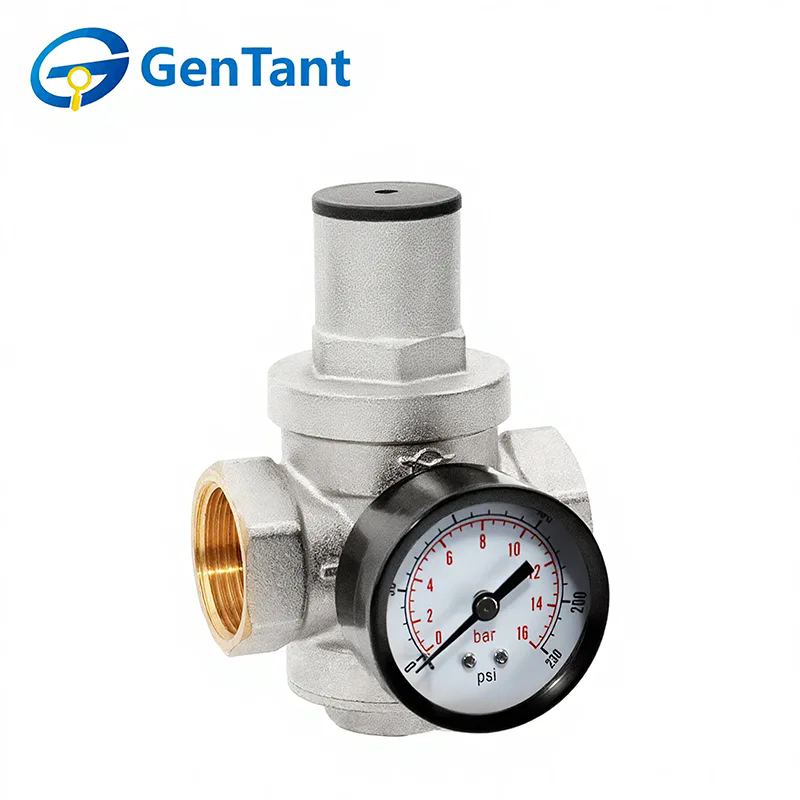
Table of Contents
- 1. What Is a Pressure Reducing Valve?
- 2. How Does a Pressure Reducing Valve Work?
- 3. Key Benefits of Using a PRV
- 4. Common Problems and Solutions
- 5. How to Choose the Right Valve
- 6. Installation and Maintenance Tips
- 7. Application Scenarios
- 8. FAQ
1. What Is a Pressure Reducing Valve?
A Pressure Reducing Valve is a self-regulating device that automatically lowers a higher inlet pressure to a stable, lower outlet pressure. It ensures consistent performance regardless of fluctuations in upstream pressure or flow demand.
These valves are widely used in:
- Water supply systems
- Steam pipelines
- Compressed air systems
- Oil and gas transportation
2. How Does a Pressure Reducing Valve Work?
The working principle of a PRV is based on force balance. It typically consists of a spring-loaded diaphragm or piston that reacts to downstream pressure.
- Step 1: High-pressure fluid enters the valve inlet.
- Step 2: The valve restricts flow through an adjustable opening.
- Step 3: A sensing element monitors downstream pressure.
- Step 4: The valve adjusts automatically to maintain the set pressure.
When downstream pressure increases, the valve partially closes. When pressure drops, it opens wider to maintain balance.
3. Key Benefits of Using a PRV
| Benefit | Description |
|---|---|
| Improved Safety | Prevents overpressure that can damage equipment or cause accidents. |
| Energy Efficiency | Reduces unnecessary energy consumption by stabilizing pressure. |
| Extended Equipment Life | Minimizes wear and tear caused by pressure fluctuations. |
| Noise Reduction | Controls turbulence and vibration in pipelines. |
4. Common Problems and Solutions
Problem 1: Pressure Fluctuation
Cause: Incorrect valve sizing or worn components.
Solution: Select proper valve size and replace internal parts if needed.
Problem 2: Leakage
Cause: Damaged seals or debris in the valve.
Solution: Clean the valve and replace sealing components.
Problem 3: Noise and Vibration
Cause: High velocity or cavitation.
Solution: Install multi-stage pressure reduction or use anti-cavitation designs.
Problem 4: Inconsistent Output Pressure
Cause: Improper adjustment or spring fatigue.
Solution: Recalibrate or replace the spring.
5. How to Choose the Right Valve
Selecting the correct pressure reducing valve is crucial for performance and longevity. Consider the following factors:
- Inlet and outlet pressure range
- Flow rate requirements
- Fluid type (water, steam, gas, oil)
- Material compatibility
- Operating temperature
Additionally, choosing a trusted manufacturer ensures reliability and consistent performance.
6. Installation and Maintenance Tips
- Install the valve in the correct flow direction.
- Use strainers to prevent debris from entering the valve.
- Ensure proper upstream and downstream piping length.
- Regularly inspect for wear and tear.
- Calibrate periodically for accurate pressure control.
Proper installation and routine maintenance can significantly extend the lifespan of your PRV and reduce operational costs.
7. Application Scenarios
Pressure reducing valves are essential in various industries:
- Municipal Water Systems: Protect pipelines and household appliances.
- Industrial Manufacturing: Maintain stable pressure for machinery.
- HVAC Systems: Ensure efficient heating and cooling operations.
- Oil & Gas: Control high-pressure transport systems.
8. FAQ
Q1: Can a pressure reducing valve fail?
Yes, due to wear, debris, or improper installation. Regular maintenance helps prevent failure.
Q2: How often should a PRV be serviced?
Typically every 6–12 months depending on operating conditions.
Q3: What happens if a PRV is oversized?
It may cause unstable pressure control and increased wear.
Q4: Is a PRV suitable for all fluids?
No, material and design must match the fluid type and operating conditions.
Conclusion
A Pressure Reducing Valve plays a vital role in ensuring system safety, efficiency, and longevity. By maintaining stable downstream pressure, it prevents damage, reduces energy consumption, and enhances overall performance. Choosing the right valve and maintaining it properly are key to maximizing its benefits.
If you are looking for high-quality and reliable pressure reducing valves, GenTant offers engineered solutions tailored to your needs. Our products are designed for durability, precision, and optimal performance across various industries. Contact us today to get expert guidance and find the perfect solution for your application.
Related News
- Why Is a Static Balancing Valve Important for HVAC Efficiency?
- Why Are Filtration And Protection Valves Vital for Modern Fluid Systems?
- Why Are Pressure Management And Safety Valves Essential for Modern Fluid Systems?
- How Does a Static Balancing Valve Improve Your HVAC System?
- How Does an Isolation And Shut-Off Valve Improve System Safety?
- How Motorized Ball Valve Works?
Leave me a message