
Industry News
 02 2026-03
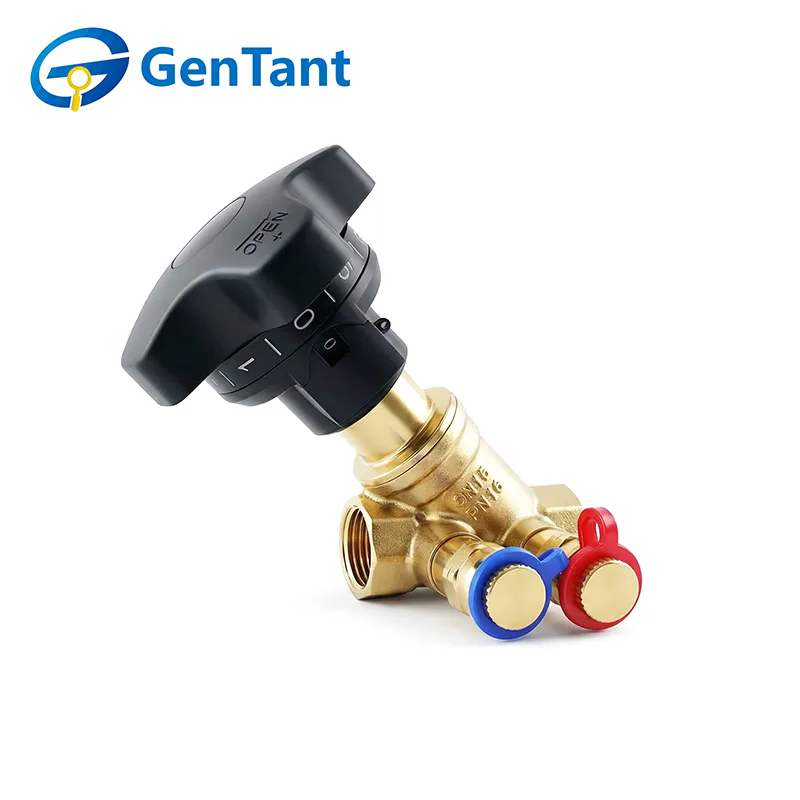
 How Do Temperature Control And Regulation Valves Enhance Industrial Processes?
Temperature control and regulation valves are essential components in modern industrial systems. They ensure precise control over fluid or gas temperatures, improving process efficiency, energy savings, and safety. This article explains the key types, working principles, selection criteria, and maintenance practices of temperature control and regulation valves.
 27 2026-02
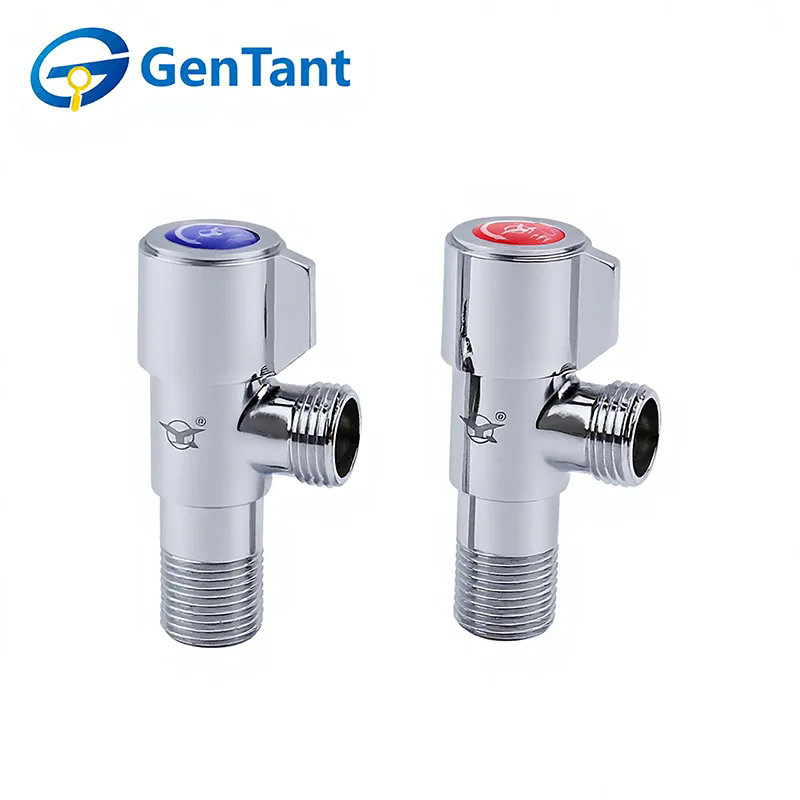
 How Do Gas-Specific Valves Enhance Safety and Efficiency?
Gas-specific valves are critical components in industrial, medical, and commercial gas systems, designed to control the flow of specific gases safely and efficiently. These valves ensure precise regulation, prevent cross-contamination, and maintain operational reliability under diverse conditions. This guide provides an in-depth look at how gas-specific valves work, common challenges faced by operators, types of valves available, and best practices for selection and maintenance. GenTant’s high-quality solutions are highlighted as examples of advanced gas-specific valve technology that meets stringent industry requirements.
 25 2026-02
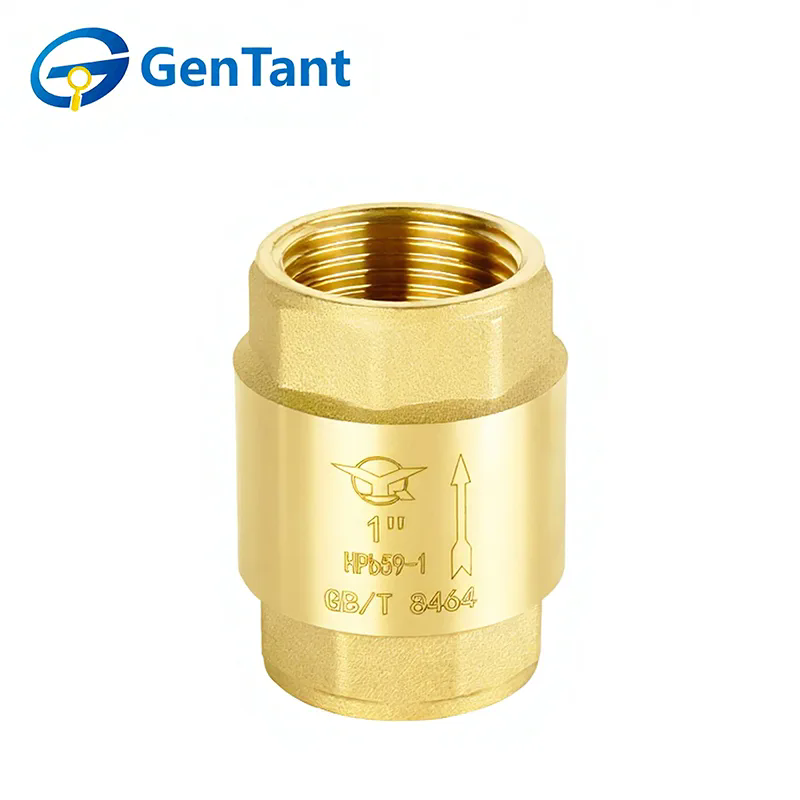
 How Does a Spring Check Valve Improve System Efficiency?
Spring check valves are crucial components in modern piping systems, ensuring unidirectional flow and preventing damage caused by reverse flow. This article explores the principles, applications, installation, and maintenance of spring check valves, providing actionable insights for engineers, contractors, and industrial users seeking reliable solutions for fluid and gas control.
 11 2026-02
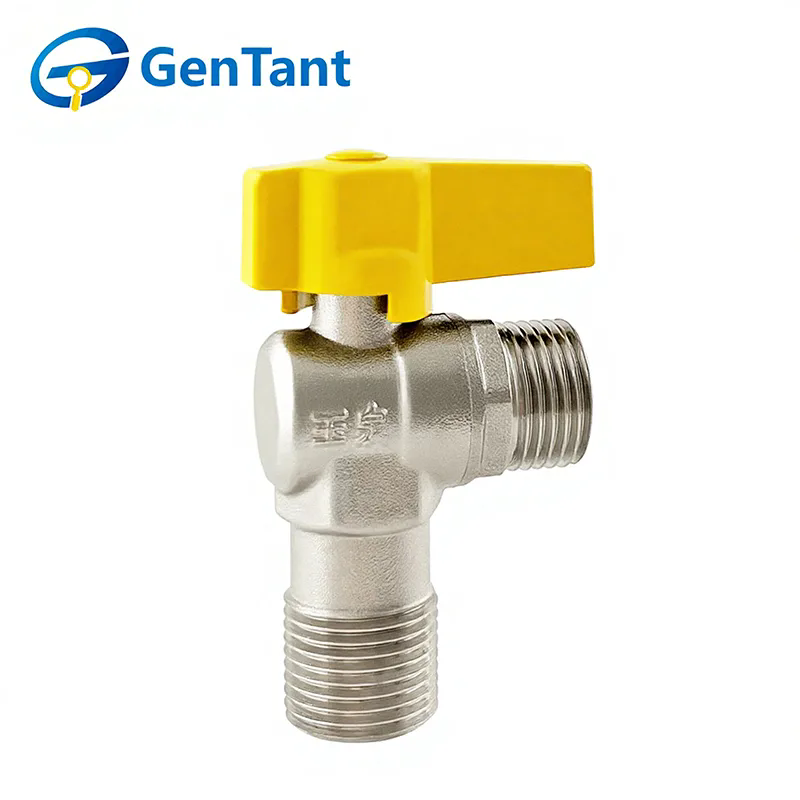
 How Are Gas-Specific Valves Selected for Safe and Efficient Gas Control?
Gas-specific valves play a critical role in ensuring safety, reliability, and operational efficiency across gas distribution and industrial systems. Different gases present unique challenges related to pressure, temperature, chemical compatibility, and leakage risk. Selecting an inappropriate valve can lead to system inefficiencies, safety incidents, or costly downtime. This article provides a structured and practical guide to understanding gas-specific valves, explaining how they work, why they matter, and how to choose the right solution for different applications. It addresses common customer concerns, technical considerations, and real-world usage scenarios to support informed decision-making.
 05 2026-02
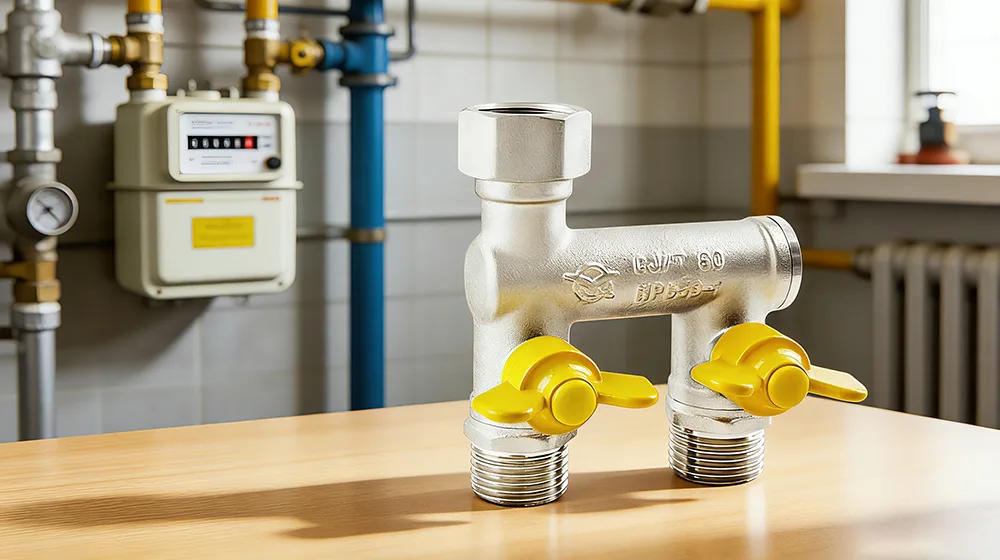
 The Application and Working Principle of Three-Way Gas Valve.
The Three-Way Gas Valve is a core control component in the gas system, responsible for switching, splitting or merging the gas flow paths.
 05 2026-02
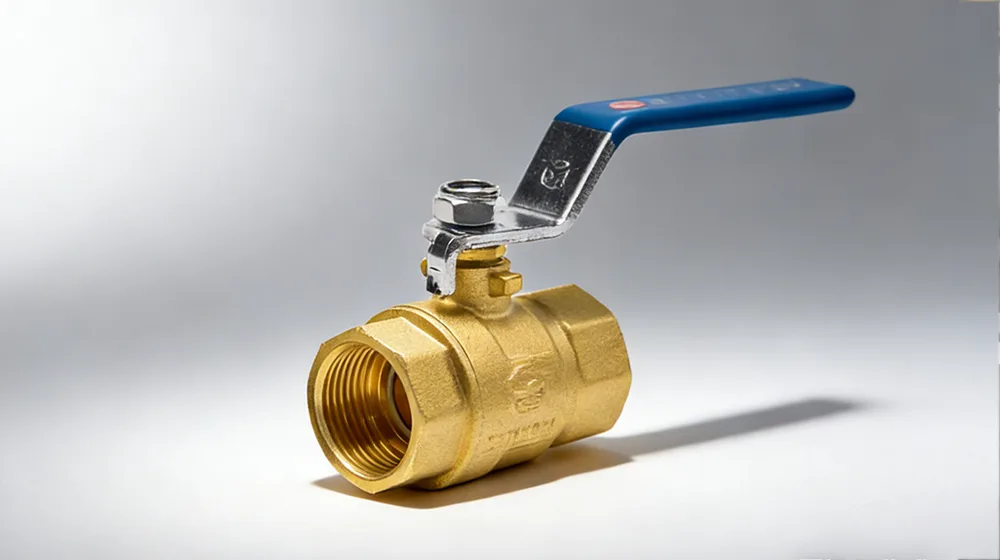
 The features of the Copper Ball Valve.
The Copper Ball Valve is a type of valve made of copper alloy as the main body material. It achieves the on-off of fluid flow by rotating the ball.