How Do Temperature Control And Regulation Valves Enhance Industrial Processes?
Article Summary
Temperature control and regulation valves are essential components in modern industrial systems. They ensure precise control over fluid or gas temperatures, improving process efficiency, energy savings, and safety. This article explains the key types, working principles, selection criteria, and maintenance practices of temperature control and regulation valves.
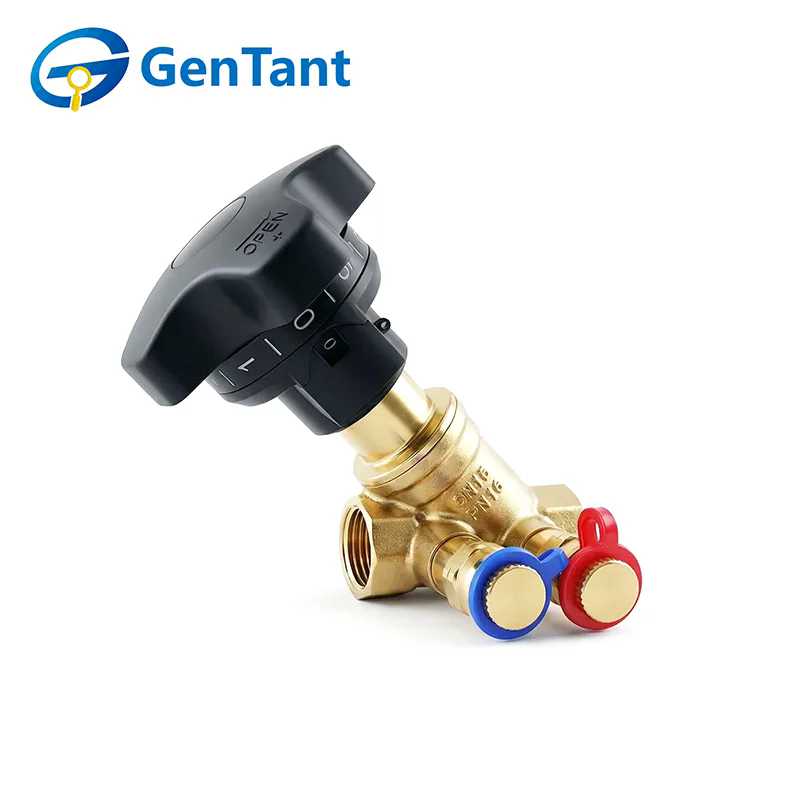
Table of Contents
- Overview of Temperature Control and Regulation Valves
- Common Customer Pain Points
- Types of Temperature Control Valves
- How to Choose the Right Temperature Valve
- Installation and Operational Considerations
- Valve Comparison Table
- Maintenance and Longevity Tips
- Applications in Various Industries
- Frequently Asked Questions
- Conclusion and Contact Us
Overview of Temperature Control and Regulation Valves
Temperature control and regulation valves are precision devices designed to regulate the flow of fluids or gases to maintain desired temperature levels within industrial processes. They are widely applied in chemical plants, food and beverage processing, HVAC systems, and power generation facilities.
These valves ensure that temperature fluctuations are minimized, protecting sensitive equipment and improving product quality. Ningbo Gentant Fluid Technology Co., Ltd. specializes in manufacturing high-precision valves that offer reliability and energy-efficient operation.
Common Customer Pain Points
Industries face multiple challenges when working with temperature control systems. Key pain points include:
- Inconsistent temperature control leading to product defects
- Excessive energy consumption due to inefficient valve operation
- Valve wear and leakage affecting process stability
- Difficulty in integrating valves into automated systems
- Limited lifespan under harsh operating conditions
Addressing these issues requires careful selection, proper installation, and high-quality valve design.
Types of Temperature Control Valves
Temperature control valves can be categorized by design and operating principle:
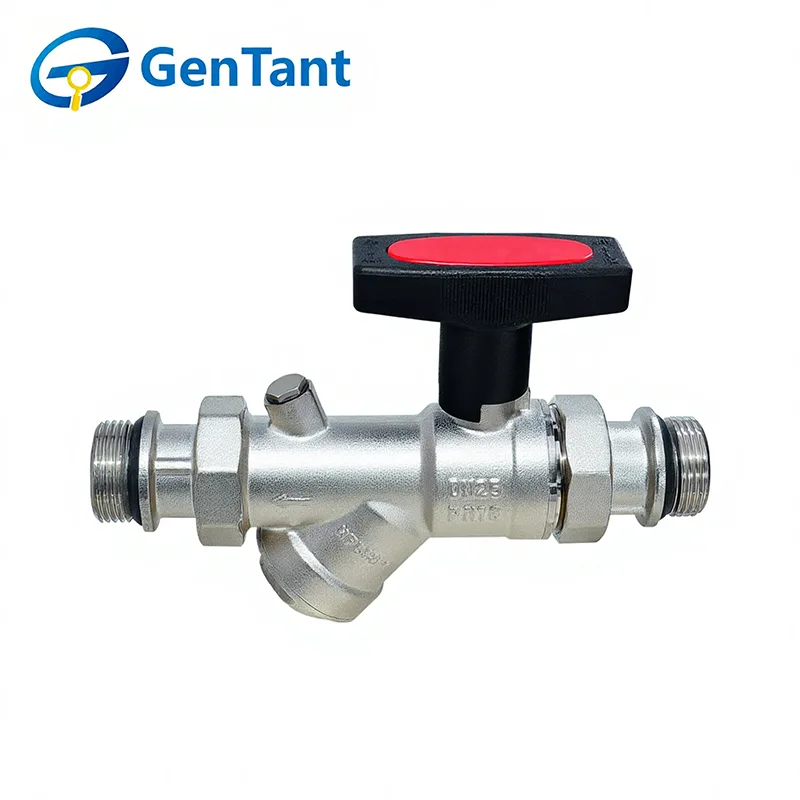
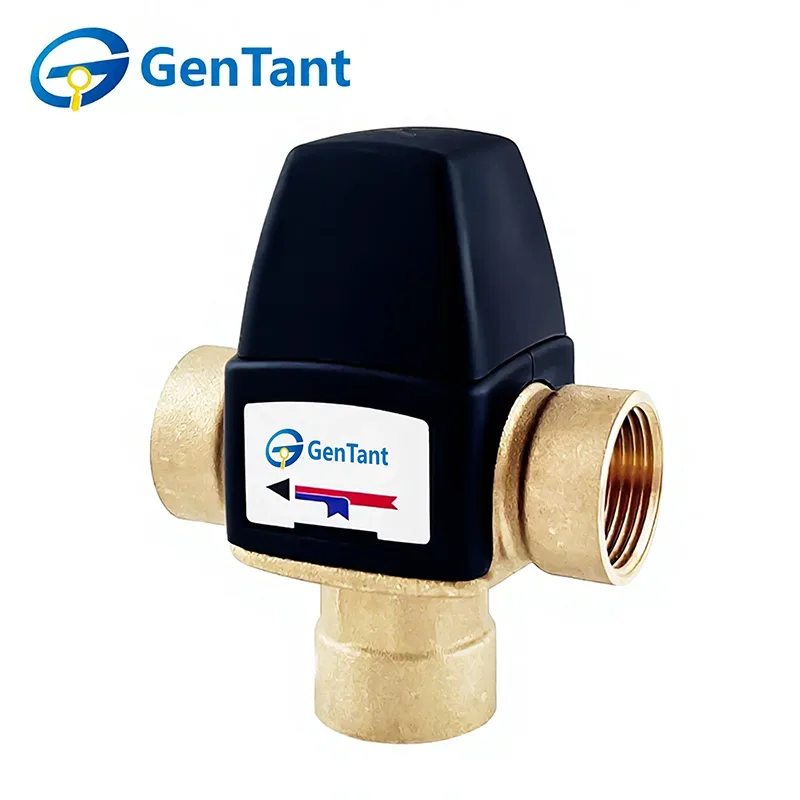
- Thermostatic Valves – Automatically adjust flow based on temperature changes
- Motorized Control Valves – Electronically controlled for precise temperature regulation
- Proportional Valves – Modulate flow gradually for stable process control
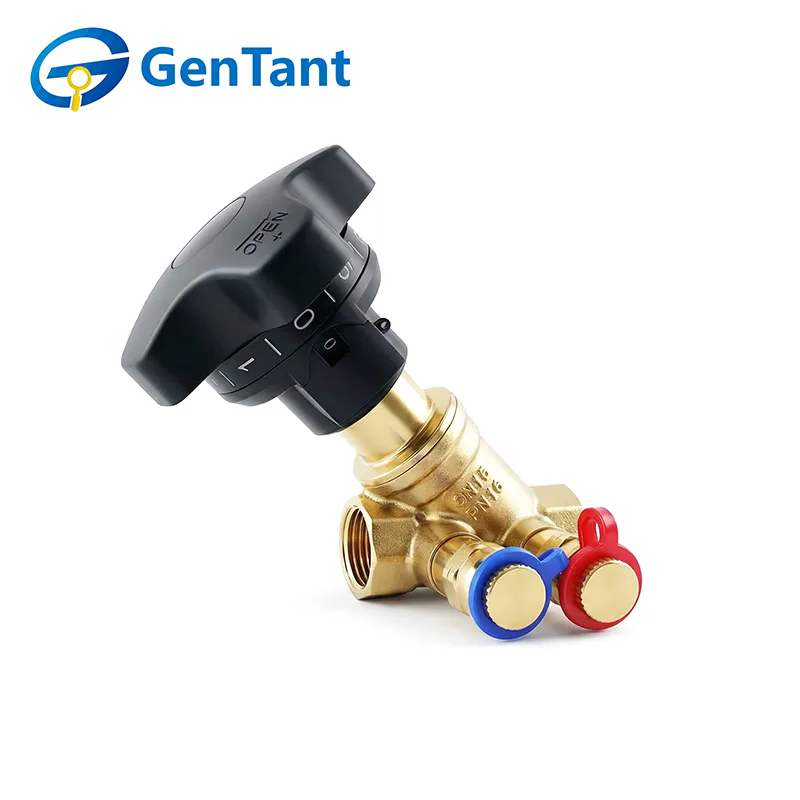
- Pressure Independent Valves – Maintain consistent temperature even with varying pressure
How to Choose the Right Temperature Valve
Selecting the appropriate valve involves several critical factors:
- Fluid type and viscosity
- Required temperature range and accuracy
- Flow rate and pressure conditions
- Material compatibility for corrosion resistance
- Integration with existing control systems
Ningbo Gentant Fluid Technology Co., Ltd. provides technical support to help clients select valves that match their unique process requirements and environmental conditions.
Installation and Operational Considerations
Proper installation is crucial to ensure valve performance:
- Ensure correct orientation and alignment with piping systems
- Maintain adequate clearance for maintenance and sensor access
- Check system pressure and temperature ratings against valve specifications
- Calibrate control systems to match valve response characteristics
- Implement safety measures to prevent over-temperature conditions
Valve Comparison Table
| Valve Type | Operating Principle | Temperature Range | Key Advantages |
|---|---|---|---|
| Thermostatic | Automatic mechanical adjustment | 0°C – 120°C | Simple, reliable, low maintenance |
| Motorized | Electronic actuator control | -10°C – 200°C | High precision, remote control capable |
| Proportional | Gradual modulation | 10°C – 180°C | Stable regulation, energy-efficient |
| Pressure Independent | Flow compensation mechanism | 0°C – 150°C | Maintains temperature under varying pressures |
Maintenance and Longevity Tips
Routine maintenance ensures optimal valve performance and extended lifespan:
- Regular inspection for leaks and wear
- Cleaning or replacing filters to avoid clogging
- Lubricating moving parts according to manufacturer guidelines
- Testing valve response to control signals periodically
- Documenting maintenance schedules and performance checks
Applications in Various Industries
Temperature control and regulation valves are critical across multiple sectors:
- Chemical and pharmaceutical production
- Food and beverage processing
- HVAC and climate control systems
- Power generation and energy systems
- Plastic molding and extrusion processes
Frequently Asked Questions
What is the main function of a temperature control valve?
To regulate the flow of fluids or gases to maintain a target temperature within a system.
Can these valves handle corrosive fluids?
Yes, but material compatibility must be ensured. Valves from Ningbo Gentant Fluid Technology Co., Ltd. are available in corrosion-resistant materials.
How often should valves be maintained?
Maintenance schedules vary based on usage and environment, but routine inspection every 6-12 months is recommended.
Are motorized valves compatible with automation systems?
Yes, they can be integrated with digital control systems for remote and precise temperature regulation.
Conclusion and Contact Us
Temperature control and regulation valves are vital for efficient, safe, and reliable industrial operations. Selecting the right valve type, following proper installation procedures, and performing regular maintenance ensures process stability and longevity.
Ningbo Gentant Fluid Technology Co., Ltd. offers advanced, high-quality valves tailored for diverse industrial applications. For expert advice, customized solutions, or to improve your system's temperature control performance, contact us today and let our team support your operational goals.
Related News
- Why Is a Static Balancing Valve Important for HVAC Efficiency?
- Why Are Filtration And Protection Valves Vital for Modern Fluid Systems?
- Why Are Pressure Management And Safety Valves Essential for Modern Fluid Systems?
- How Does a Static Balancing Valve Improve Your HVAC System?
- How Does an Isolation And Shut-Off Valve Improve System Safety?
- How Does a Pressure Reducing Valve Improve System Efficiency and Safety?
Leave me a message