How Does a Spring Check Valve Improve System Efficiency?
Abstract: Spring check valves are crucial components in modern piping systems, ensuring unidirectional flow and preventing damage caused by reverse flow. This article explores the principles, applications, installation, and maintenance of spring check valves, providing actionable insights for engineers, contractors, and industrial users seeking reliable solutions for fluid and gas control.
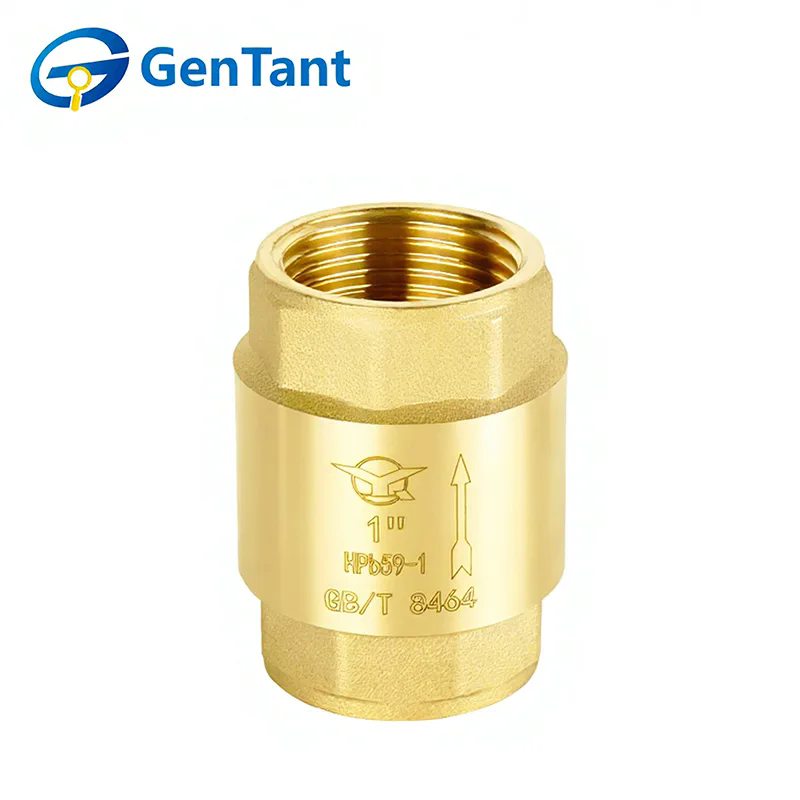
Table of Contents
- Overview of Spring Check Valves
- Key Features and Applications
- Technical Specifications
- Installation Guidelines
- Operation Principles
- Inspection and Maintenance
- Frequently Asked Questions
- Conclusion and Contact
Overview of Spring Check Valves
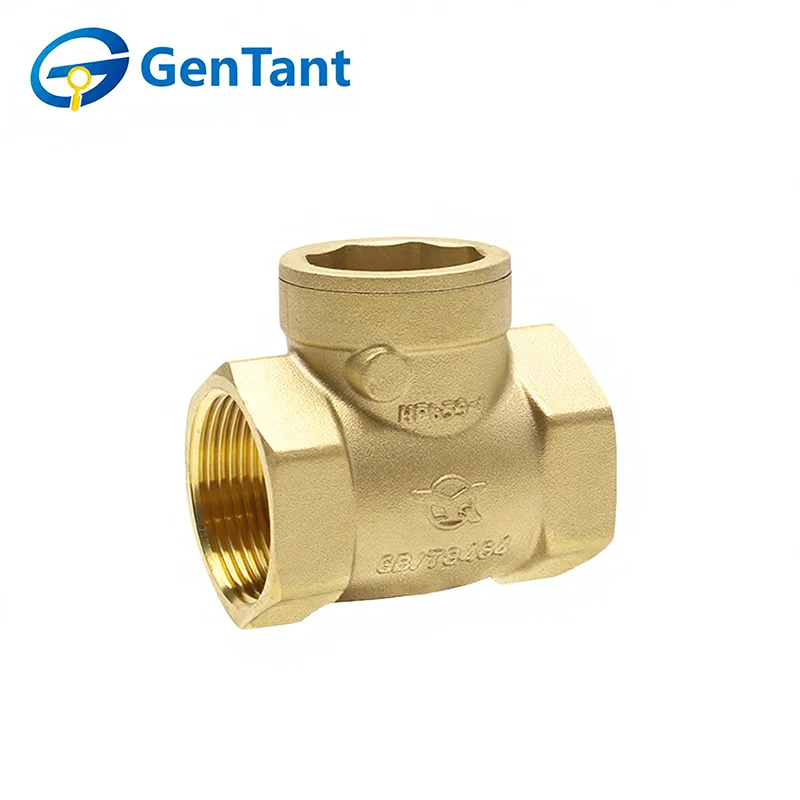
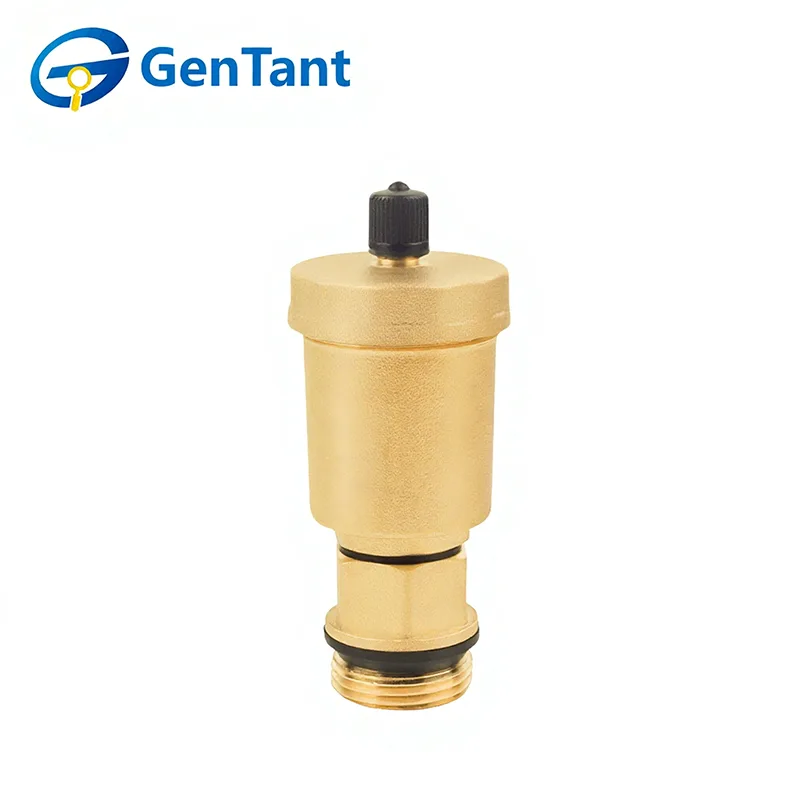
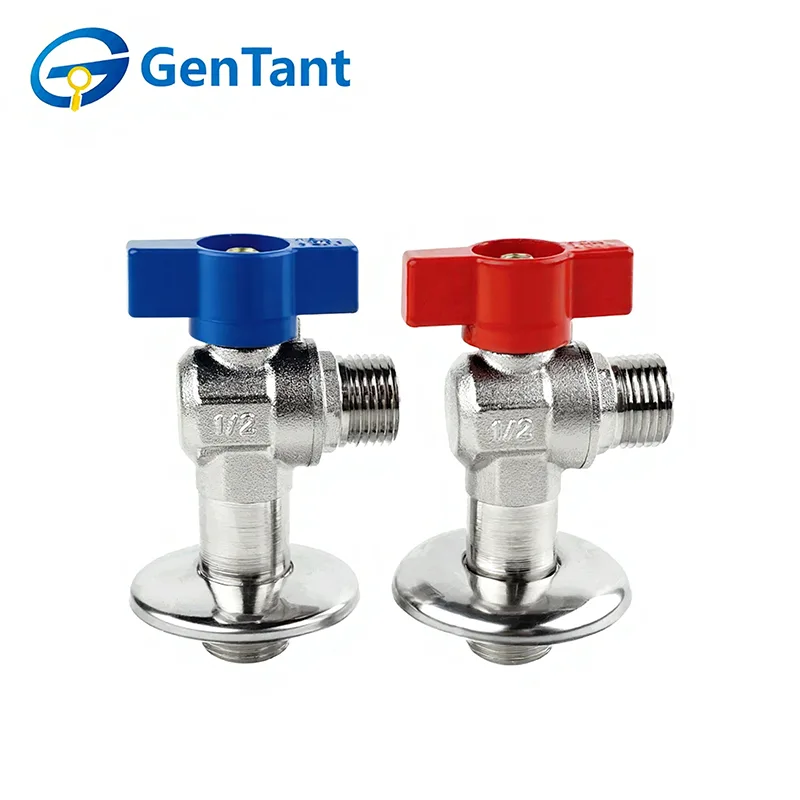
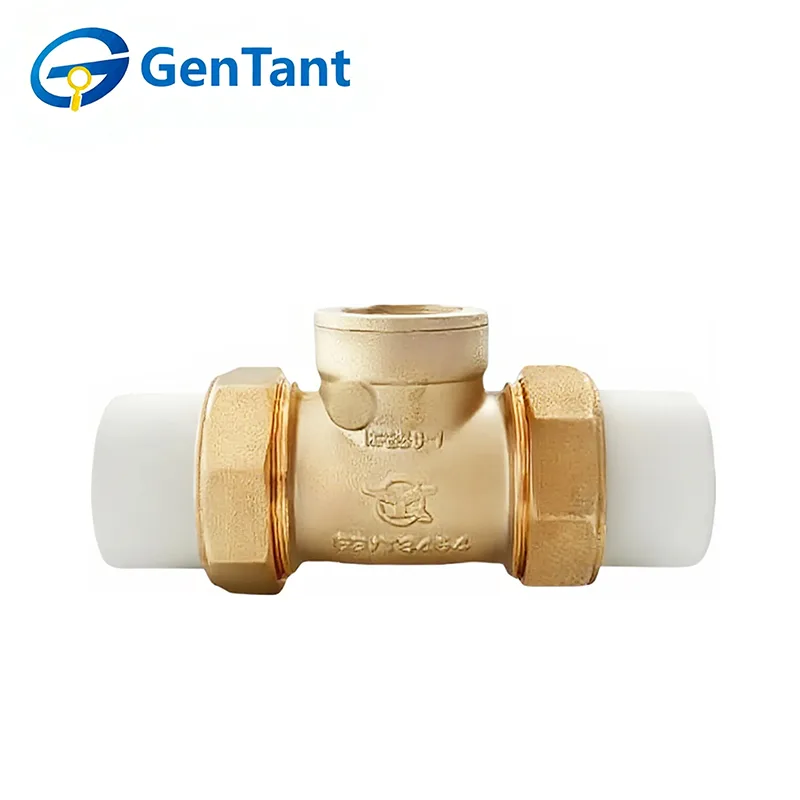
A spring check valve is a unidirectional valve that automatically allows fluid or gas to flow in one direction while preventing reverse flow. Equipped with a spring-loaded disc, it ensures rapid closure to protect pumps, compressors, and piping systems from water hammer, backflow, and pressure surges. These valves are widely used in water supply, HVAC, industrial processing, and irrigation systems where maintaining system integrity is critical.
Key Features and Applications
- Automatic Operation: The valve opens when forward pressure exceeds the spring tension and closes instantly upon flow reversal.
- Compact Design: Space-saving and easy to integrate into existing piping systems.
- Tight Sealing: Minimizes leakage and ensures consistent unidirectional flow.
- Wide Applications: Suitable for water, non-corrosive and non-flammable gases, pumps, pipelines, and industrial machinery protection.
- Durability: Resistant to pressure surges and water hammer effects.
Spring check valves are particularly valuable in:
- Pumping systems to prevent backflow and protect the pump.
- HVAC systems to maintain steady fluid circulation.
- Industrial pipelines to ensure process safety and prevent contamination.
- Irrigation setups to avoid water hammer damage.
Technical Specifications
| Parameter | Value |
|---|---|
| Nominal Pressure | 1.6 MPa |
| Working Medium | Water, Non-corrosive Gases |
| Operating Temperature | -10 °C to 120 °C |
| Thread Standard | ISO 228 |
Valve Dimensions
| DN | A (mm) | B (mm) | Weight (g) |
|---|---|---|---|
| 1/2" | 49.5 | 31.5 | 126 |
| 3/4" | 52.5 | 36.5 | 168.3 |
| 1" | 61 | 44 | 278.3 |
| 1 1/4" | 69 | 53 | 407.1 |
| 1 1/2" | 73.5 | 63.5 | 600.6 |
| 2" | 85 | 75 | 911 |
Installation Guidelines
- Thoroughly clean piping before installing the valve.
- Inspect valve ports and seats for debris or damage.
- Ensure proper support to prevent stress on connected pipes.
- Verify the valve’s pressure and temperature ratings match system conditions.
- Cycle the valve fully from open to closed to ensure smooth operation.
- Tighten packing nuts after installation for optimal sealing.
Installation Notes: Spring check valves can be installed in horizontal or vertical orientations with upward flow. Keep a safe distance from turbulent flow sources like pump outlets.
Operation Principles
Spring check valves function automatically without manual intervention. Forward flow pressure overcomes the spring force to open the valve. When flow reverses or stops, the spring immediately pushes the disc against the seat to prevent backflow. This fast response protects system components and ensures smooth, continuous operation.
Inspection and Maintenance
- Routine inspection is minimal; primarily check for packing leaks or abnormal noises.
- Tighten packing nuts if minor leaks occur.
- Replace worn discs, holders, or hinge assemblies as needed.
- Regularly clean the valve and adjacent piping to prevent sediment buildup.
- Avoid frequent alternation between hot and cold water flows to prevent valve fatigue.
Frequently Asked Questions
Q1: Can a spring check valve handle corrosive fluids?
A1: Standard valves handle water and non-corrosive gases. For corrosive fluids, select valves with specialized materials.
Q2: What is the recommended installation orientation?
A2: Horizontal or vertical with upward flow. Ensure proper alignment to avoid operational issues.
Q3: How often should the valve be maintained?
A3: Routine inspection is minimal; clean and check packing or seals periodically based on system usage.
Conclusion and Contact
Spring check valves are essential for maintaining efficient, reliable fluid systems by preventing backflow and water hammer damage. Their automatic operation, compact design, and durability make them suitable for a wide range of industrial, commercial, and residential applications. For high-quality spring check valves and expert support, Ningbo Gentant Fluid Technology Co., Ltd. offers reliable solutions for your system needs. Contact us today to learn more and request a quote.
Related News
- Why Is a Static Balancing Valve Important for HVAC Efficiency?
- Why Are Filtration And Protection Valves Vital for Modern Fluid Systems?
- Why Are Pressure Management And Safety Valves Essential for Modern Fluid Systems?
- How Does a Static Balancing Valve Improve Your HVAC System?
- How Does an Isolation And Shut-Off Valve Improve System Safety?
- How Does a Pressure Reducing Valve Improve System Efficiency and Safety?
Leave me a message