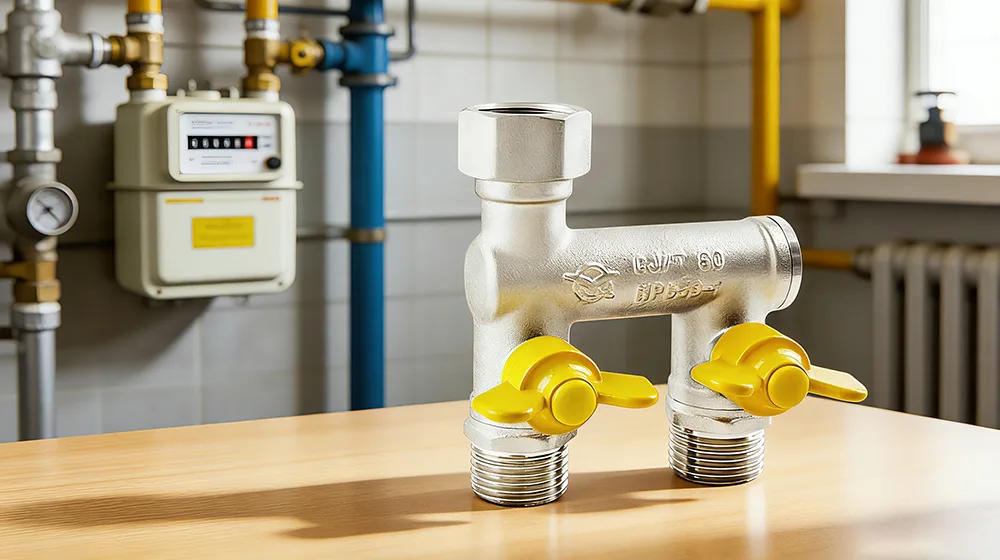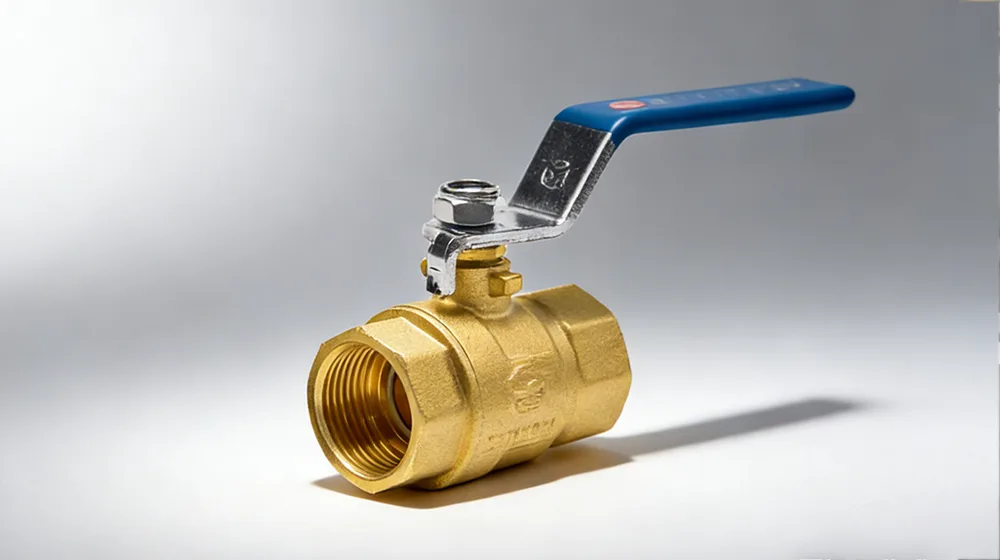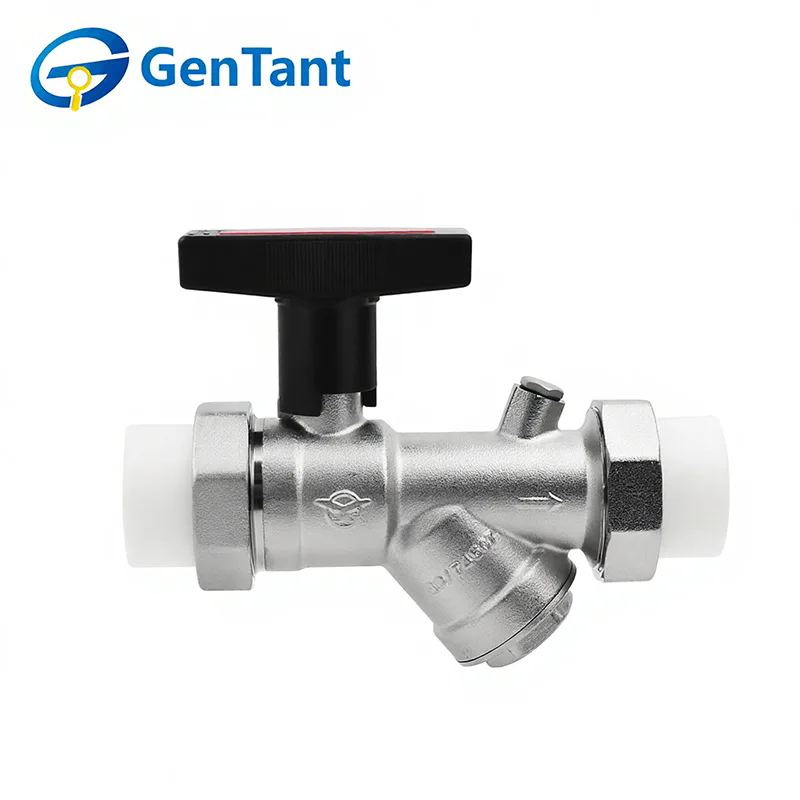
How Are Gas-Specific Valves Selected for Safe and Efficient Gas Control?
Abstract
Gas-specific valves play a critical role in ensuring safety, reliability, and operational efficiency across gas distribution and industrial systems. Different gases present unique challenges related to pressure, temperature, chemical compatibility, and leakage risk. Selecting an inappropriate valve can lead to system inefficiencies, safety incidents, or costly downtime. This article provides a structured and practical guide to understanding gas-specific valves, explaining how they work, why they matter, and how to choose the right solution for different applications. It addresses common customer concerns, technical considerations, and real-world usage scenarios to support informed decision-making.
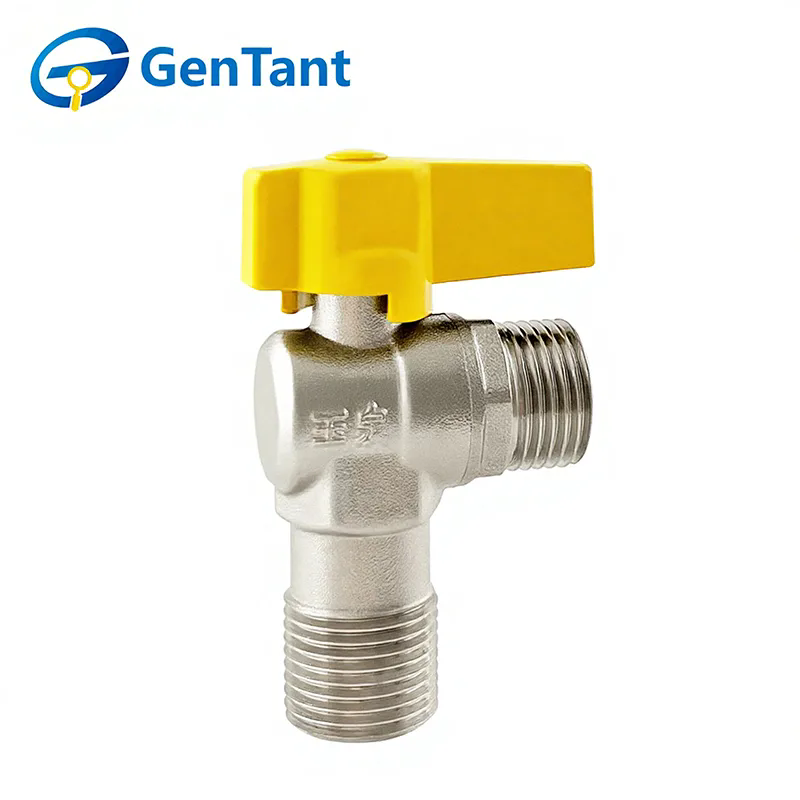
Table of Contents
- Article Outline
- What Are Gas-Specific Valves?
- Why Gas-Specific Design Matters
- Common Gas Types and Their Valve Requirements
- Key Criteria for Selecting Gas-Specific Valves
- Typical Applications Across Industries
- Comparison of Valve Features by Gas Type
- Frequent Challenges and Practical Solutions
- Frequently Asked Questions
- Conclusion and Next Steps
Article Outline
- Definition and functional principles of gas-specific valves
- Safety and performance implications of gas compatibility
- Material, sealing, and pressure considerations
- Industry applications and operational environments
- Guidance for selecting reliable valve suppliers
What Are Gas-Specific Valves?
Gas-specific valves are engineered control components designed to regulate the flow, isolation, or pressure of a particular type of gas. Unlike general-purpose valves, these valves are tailored to accommodate the physical and chemical characteristics of a specific gas, such as corrosiveness, flammability, molecular size, or operating pressure.
Their design typically accounts for gas leakage prevention, precise flow control, and long-term durability under demanding conditions. This specialization makes them essential in systems where safety and consistency are non-negotiable.
Why Gas-Specific Design Matters
Each gas behaves differently under pressure and temperature variations. For example, hydrogen molecules are extremely small and prone to leakage, while oxygen systems require materials that resist ignition. Using a valve not designed for a specific gas can result in sealing failure, material degradation, or unsafe operating conditions.
Gas-specific design ensures compatibility between the valve body, internal components, and sealing materials. This alignment reduces maintenance frequency, extends service life, and enhances overall system stability.
Common Gas Types and Their Valve Requirements
- Natural Gas: Requires tight sealing, fire-safe design, and pressure stability.
- Hydrogen: Demands leak-resistant construction and specialized sealing materials.
- Oxygen: Needs oxygen-clean materials and non-reactive components.
- Industrial Gases: Often require corrosion resistance and precise flow control.
- Toxic or Specialty Gases: Emphasize containment, safety certification, and reliability.
Key Criteria for Selecting Gas-Specific Valves
Selecting the correct gas-specific valve involves evaluating multiple technical and operational factors. Key criteria include:
- Gas composition and chemical properties
- Operating pressure and temperature range
- Valve body and seal material compatibility
- Required flow rate and control precision
- Compliance with industry safety standards
A systematic evaluation of these factors helps prevent mismatches that could compromise system performance or safety.
Typical Applications Across Industries
Gas-specific valves are widely used in sectors where gas handling is integral to operations. Common applications include:
- Gas distribution and pipeline systems
- Chemical and petrochemical processing plants
- Energy generation and storage facilities
- Medical and laboratory gas systems
- Manufacturing and industrial automation
In each case, valve reliability directly affects operational continuity and safety compliance.
Comparison of Valve Features by Gas Type
| Gas Type | Primary Design Focus | Recommended Materials | Key Benefit |
|---|---|---|---|
| Natural Gas | Leak prevention | Carbon steel, stainless steel | Operational safety |
| Hydrogen | Molecular containment | Stainless steel alloys | Reduced leakage risk |
| Oxygen | Non-reactivity | Brass, stainless steel | Fire hazard reduction |
| Industrial Gases | Corrosion resistance | Specialty alloys | Extended service life |
Frequent Challenges and Practical Solutions
Customers often face challenges such as premature valve wear, unexpected leakage, or compliance issues. These problems typically stem from incorrect valve selection or insufficient understanding of gas behavior.
Practical solutions include conducting thorough application assessments, working with experienced manufacturers, and prioritizing valves tested specifically for the intended gas. Clear documentation and technical support further reduce operational risks.
Frequently Asked Questions
Are gas-specific valves interchangeable between different gases?
No. Valves designed for one gas may not be suitable for another due to differences in material compatibility and sealing requirements.
How does valve material affect gas safety?
Material selection influences corrosion resistance, leak prevention, and reaction risk, all of which directly impact system safety.
When should gas-specific valves be inspected or replaced?
Inspection intervals depend on operating conditions, but regular checks are recommended to ensure sealing integrity and performance.
Conclusion and Next Steps
Gas-specific valves are essential components for maintaining safe, efficient, and compliant gas systems. Understanding gas characteristics, application requirements, and valve design principles enables more reliable system performance and reduced operational risk.
For organizations seeking dependable gas-specific valve solutions, GenTant offers specialized products engineered for diverse gas applications. To discuss technical requirements or explore suitable options for your system, contact us today and connect with a knowledgeable team ready to support your project.
Related News
- Why Is a Static Balancing Valve Important for HVAC Efficiency?
- Why Are Filtration And Protection Valves Vital for Modern Fluid Systems?
- Why Are Pressure Management And Safety Valves Essential for Modern Fluid Systems?
- How Does a Static Balancing Valve Improve Your HVAC System?
- How Does an Isolation And Shut-Off Valve Improve System Safety?
- How Does a Pressure Reducing Valve Improve System Efficiency and Safety?
Leave me a message