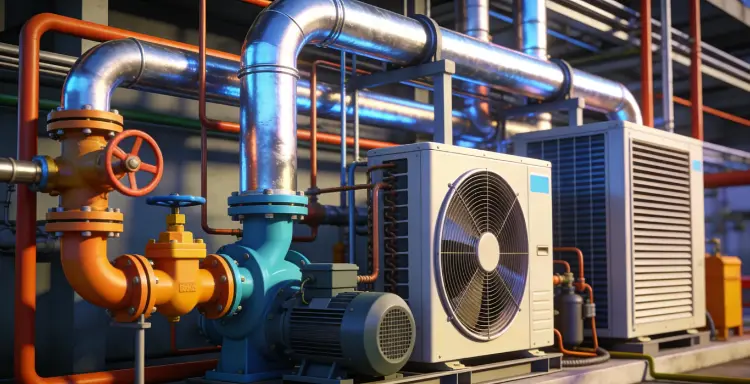
Article Summary: A Static Balancing Valve (SBV) plays a critical role in HVAC systems by ensuring precise water flow distribution. This article explores how SBVs work, their benefits, installation considerations, common issues, and maintenance tips. By the end, readers will have a clear understanding of why incorporating a high-quality valve like those offered by GenTant can enhance system efficiency and longevity.
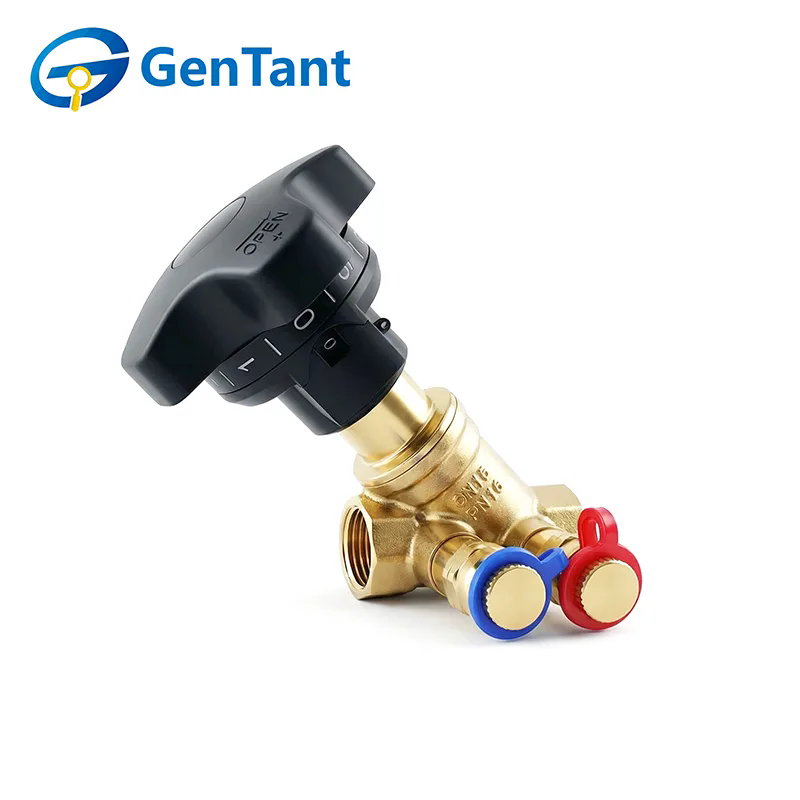
Table of Contents
- What is a Static Balancing Valve?
- How Does It Work?
- Why Use a Static Balancing Valve?
- Installation Tips
- Common Issues and Solutions
- Maintenance Guidelines
- Frequently Asked Questions
What is a Static Balancing Valve?
A Static Balancing Valve (SBV) is a mechanical device used in heating, ventilation, and air conditioning (HVAC) systems to regulate and balance water flow within the piping network. Unlike dynamic valves, SBVs do not require power or external sensors. They rely on a preset setting to maintain a specific flow rate, ensuring that every part of the system receives the correct volume of water.
SBVs are typically installed in both chilled water and hot water systems to optimize energy usage and prevent over- or under-flow conditions. Properly balancing the system improves efficiency, reduces energy costs, and enhances comfort levels across all zones served by the HVAC system.
How Does a Static Balancing Valve Work?
Static Balancing Valves function by controlling the flow rate through a fixed or adjustable opening. Here’s a detailed breakdown of their operation:
- Flow Regulation: The valve is adjusted to allow a precise volume of water to pass through, based on system design requirements.
- Pressure Compensation: While static, the valve design accounts for minor pressure fluctuations, maintaining a consistent flow in varying system conditions.
- Installation Integration: Typically installed on the supply or return side of the loop, SBVs help distribute water evenly across multiple branches.
The following table illustrates the key technical parameters of a typical GenTant Static Balancing Valve:
| Parameter | Specification |
|---|---|
| Flow Rate | 0.5 – 50 GPM |
| Pressure Rating | PN16 / 150 PSI |
| Material | Brass / Stainless Steel |
| Connection Type | Threaded, Flanged |
Why Use a Static Balancing Valve?
Implementing SBVs in HVAC systems addresses several common challenges:
- Energy Efficiency: Properly balanced water flow prevents pumps from working harder than necessary, lowering energy consumption.
- Comfort Optimization: Ensures even temperature distribution across all rooms or zones, reducing hot or cold spots.
- System Longevity: Reduces wear and tear on pumps and other components by stabilizing flow and pressure.
- Cost Savings: Minimizes unnecessary energy usage and maintenance costs over time.
For HVAC contractors and building managers, a high-quality SBV from GenTant provides a reliable and maintenance-friendly solution.
Installation Tips
To achieve optimal performance, follow these installation guidelines:
- Install SBVs on the return side of the loop for easier flow measurement.
- Ensure valves are accessible for periodic adjustments and maintenance.
- Check manufacturer’s recommended torque settings to prevent leaks.
- Use a flow meter during commissioning to confirm correct settings.
Proper installation can prevent issues such as imbalance, noise, and inefficient energy usage.
Common Issues and Solutions
Even high-quality SBVs can face operational challenges if not monitored or installed correctly:
- Incorrect Flow Setting: Solution: Recalibrate using a flow meter.
- Valve Sticking or Blockage: Solution: Clean internal components and ensure water quality.
- Pressure Fluctuations: Solution: Verify system pump and pressure settings.
- Corrosion: Solution: Choose material suitable for water chemistry; GenTant offers stainless steel options.
Maintenance Guidelines
Maintaining SBVs ensures system efficiency and extends valve lifespan:
- Inspect annually for leaks or signs of corrosion.
- Clean internal parts if water contains debris or sediment.
- Check and recalibrate flow settings periodically.
- Replace gaskets or seals if worn to prevent leaks.
Frequently Asked Questions
-
Q: Can a static balancing valve handle high temperatures?
A: Yes, GenTant SBVs are designed to operate in high-temperature systems up to 150°C depending on material selection. -
Q: How do I know the right flow setting?
A: Consult the system design specifications and use a flow meter during commissioning. -
Q: Can SBVs work in both hot and chilled water systems?
A: Absolutely, they are versatile for use in both heating and cooling applications. -
Q: Do static valves require electricity?
A: No, SBVs are mechanical devices and do not require external power.
In conclusion, a Static Balancing Valve is an essential component for any HVAC system aiming for efficiency, comfort, and longevity. Choosing a reliable product from a trusted manufacturer like GenTant ensures smooth installation, accurate flow control, and minimal maintenance. Upgrade your system today and experience balanced, energy-efficient performance. Contact us to learn more about GenTant’s Static Balancing Valves and how they can optimize your HVAC operations.