How Does an Isolation And Shut-Off Valve Improve System Safety?
Abstract: Isolation and shut-off valves are critical components in industrial and commercial fluid systems. They ensure operational safety, maintenance efficiency, and environmental protection by allowing selective flow control and emergency shut-off. This article explores the mechanisms, applications, types, maintenance strategies, and best practices associated with isolation and shut-off valves, helping facility managers, engineers, and procurement specialists make informed decisions.
Table of Contents
- Introduction to Isolation and Shut-Off Valves
- Types of Isolation and Shut-Off Valves
- Applications Across Industries
- Benefits of Using Isolation and Shut-Off Valves
- Selection Criteria and Best Practices
- Maintenance and Troubleshooting
- Frequently Asked Questions (FAQ)
- Contact GenTant
Introduction to Isolation and Shut-Off Valves
Isolation and shut-off valves serve as vital safety devices in pipelines carrying liquids, gases, or slurries. Unlike control valves that regulate flow continuously, these valves are designed to completely stop flow when required. They protect both personnel and equipment by preventing leaks, controlling pressure surges, and isolating sections of a system during maintenance. Companies like GenTant specialize in delivering high-performance isolation and shut-off valves tailored for industrial reliability and longevity.
Types of Isolation and Shut-Off Valves
Isolation and shut-off valves come in various types, each suited for specific operational requirements:
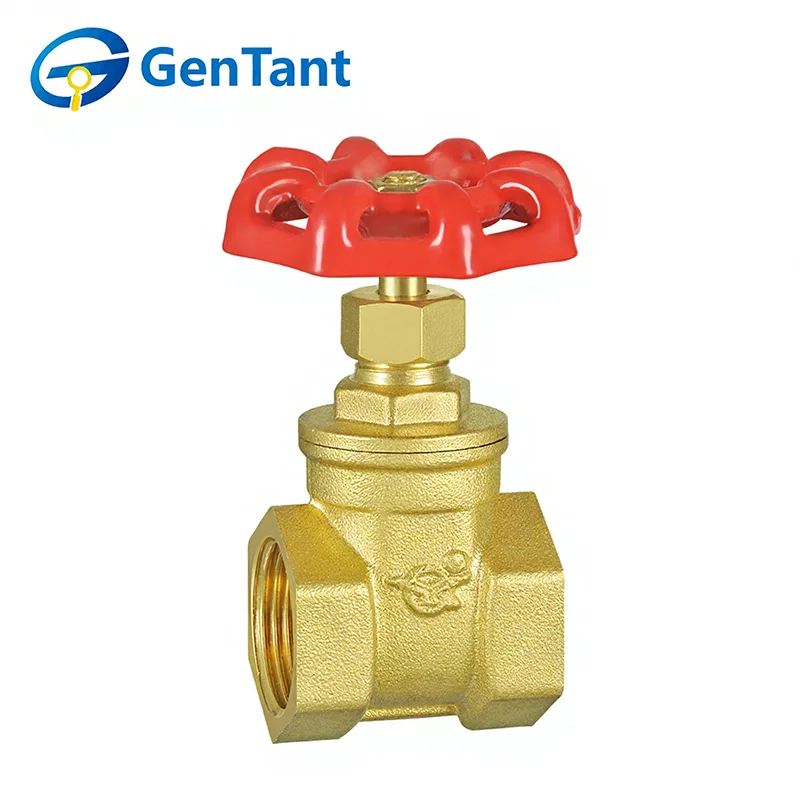
- Gate Valves: Ideal for full-flow service and low-pressure drops. They are commonly used in water and steam pipelines.
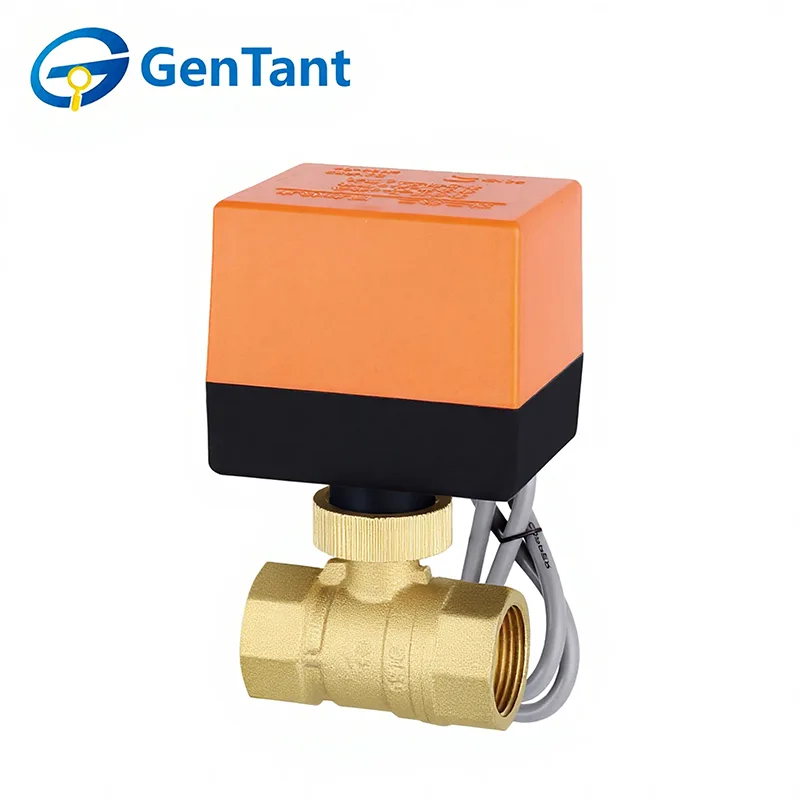
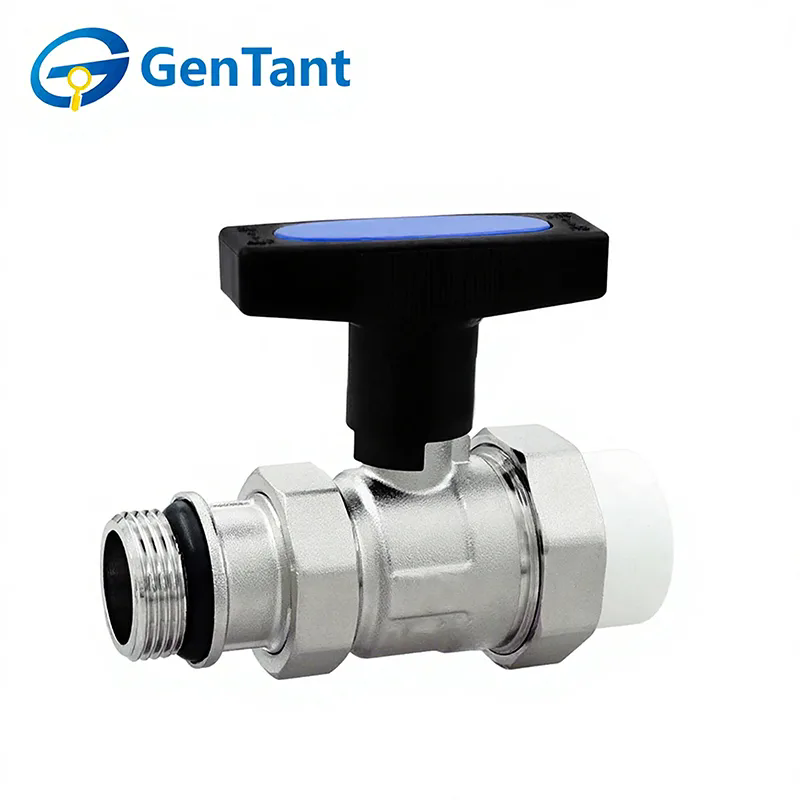
- Ball Valves: Provide quick shut-off and are widely used in chemical, oil, and gas applications due to their durability and tight sealing capability.
- Butterfly Valves: Lightweight and compact, often used in HVAC systems and large-diameter pipelines for efficient isolation.
- Globe Valves: Offer precise throttling in addition to shut-off, commonly found in process control systems.
| Valve Type | Key Advantage | Typical Application |
|---|---|---|
| Gate Valve | Full bore, low resistance | Water, steam pipelines |
| Ball Valve | Quick shut-off, tight seal | Oil, gas, chemical plants |
| Butterfly Valve | Compact design, cost-effective | HVAC, large-diameter pipes |
| Globe Valve | Precise flow control | Process control systems |
Applications Across Industries
Isolation and shut-off valves are integral to multiple sectors:
- Oil and Gas: Protect pipelines from leaks and enable emergency shut-off during critical incidents.
- Water Treatment: Facilitate maintenance by isolating sections of the distribution network without disrupting the entire system.
- Chemical Processing: Handle corrosive or toxic fluids safely with precise isolation capability.
- Power Generation: Ensure reliable isolation of steam, water, and gas circuits for maintenance and emergency operations.
- HVAC and Plumbing: Optimize flow control and maintenance in large-scale commercial buildings.
Benefits of Using Isolation and Shut-Off Valves
Proper installation and use of isolation and shut-off valves deliver significant operational and safety advantages:
- Enhanced system safety by preventing accidental leaks or overpressure.
- Reduced maintenance downtime through selective isolation of pipeline sections.
- Environmental protection by minimizing accidental fluid discharge.
- Operational efficiency by ensuring smooth startup and shutdown of systems.
- Longevity of pipeline and equipment through controlled flow and pressure management.
Selection Criteria and Best Practices
Choosing the right isolation or shut-off valve requires careful consideration of multiple factors:
- Fluid Type: Compatibility with the chemical and physical properties of the medium being transported.
- Pressure and Temperature: Ensure valves can withstand maximum operating conditions.
- Valve Material: Carbon steel, stainless steel, or specialized alloys based on environmental exposure.
- Actuation Method: Manual, electric, or pneumatic depending on control requirements.
- Standards Compliance: Confirm adherence to industry standards for safety and performance.
GenTant provides a comprehensive range of valves engineered to meet these criteria, ensuring safety, durability, and operational efficiency.
Maintenance and Troubleshooting
Effective maintenance practices ensure the long-term reliability of isolation and shut-off valves:
- Regular inspection for leaks, corrosion, or mechanical wear.
- Lubrication of moving parts where applicable.
- Testing actuation mechanisms periodically for smooth operation.
- Replacing worn seals or gaskets to maintain tight shut-off.
- Documenting maintenance activities for compliance and system monitoring.
Troubleshooting common issues such as partial closure, handle resistance, or unusual vibrations can prevent operational failures and improve system uptime.
Frequently Asked Questions (FAQ)
Q1: What is the difference between an isolation valve and a shut-off valve?
A: Isolation valves are used primarily to isolate sections of a system for maintenance or safety, while shut-off valves are designed for complete stop of flow, often in emergency situations.
Q2: How often should valves be tested?
A: Valves should be tested at least twice a year, or according to the manufacturer’s guidelines, to ensure proper operation and seal integrity.
Q3: Can these valves handle corrosive fluids?
A: Yes, valves made from stainless steel or specialized alloys are designed to resist corrosion and chemical attack.
Q4: Does GenTant offer customized valve solutions?
A: Yes, GenTant provides tailored isolation and shut-off valves to meet specific industrial requirements, ensuring maximum efficiency and safety.
Contact GenTant
For high-quality isolation and shut-off valves designed for safety and performance, visit GenTant Valves or contact us today to discuss your specific requirements. Our team of experts is ready to provide consultation, product recommendations, and technical support for your industrial applications.
Related News
- Why Are Filtration And Protection Valves Vital for Modern Fluid Systems?
- Why Are Pressure Management And Safety Valves Essential for Modern Fluid Systems?
- How Does a Static Balancing Valve Improve Your HVAC System?
- How Does a Pressure Reducing Valve Improve System Efficiency and Safety?
- How Motorized Ball Valve Works?
- How Does a Long Shank Return Valve Work?
Leave me a message