How Does a Flanged Check Valve Prevent Backflow in Pipeline Systems?
In industrial pipeline systems, preventing reverse flow is critical for maintaining system safety, protecting equipment, and ensuring process stability. A Flanged Check Valve is a widely used solution that automatically allows fluid to flow in one direction while blocking reverse flow. This simple but effective device plays a crucial role in industries such as water treatment, chemical processing, petroleum, and power generation.
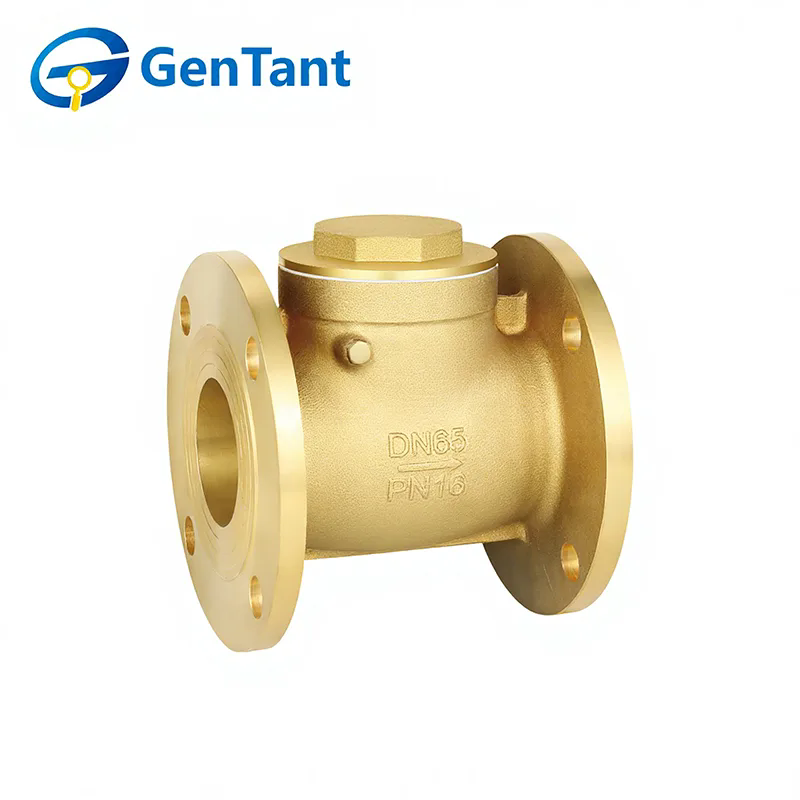
Unlike manual valves, flanged check valves operate automatically using the pressure of the flowing medium. When the fluid flows in the correct direction, the internal disc opens; when the flow reverses or pressure drops, the disc closes immediately, preventing backflow and protecting upstream equipment.
Article Summary
This article explains how a flanged check valve works, its structural components, benefits, installation considerations, and common industrial applications. It also highlights how choosing the right valve design can solve common pipeline challenges such as pump damage, pressure surges, and contamination.
Table of Contents
- Introduction to Flanged Check Valves
- Working Principle of a Flanged Check Valve
- Main Components of a Flanged Check Valve
- Key Technical Parameters
- Advantages of Using Flanged Check Valves
- Typical Industrial Applications
- How to Choose the Right Flanged Check Valve
- Installation and Maintenance Tips
- Frequently Asked Questions
- Conclusion
Introduction to Flanged Check Valves
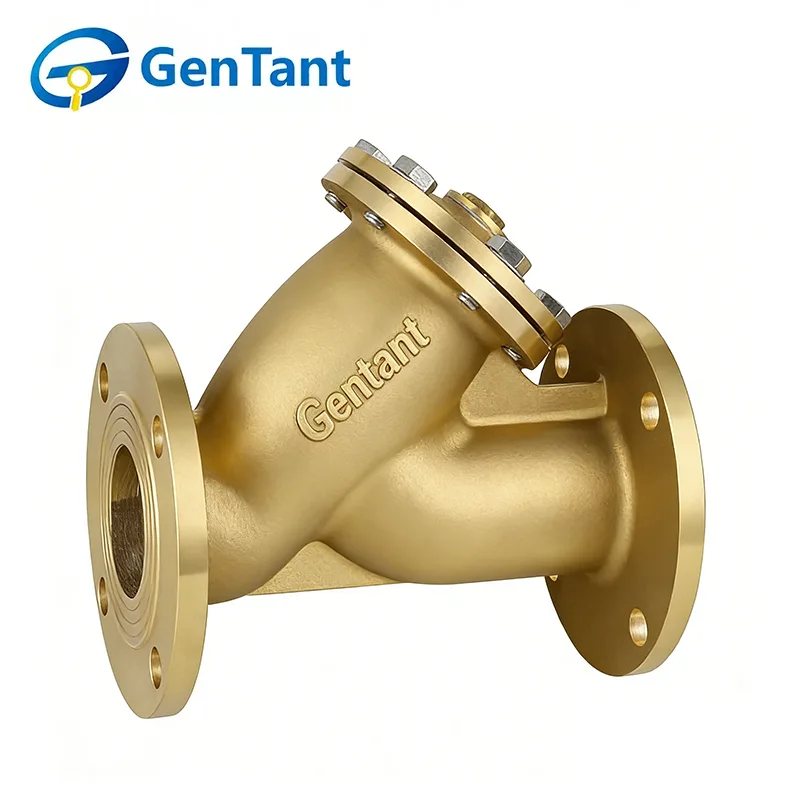
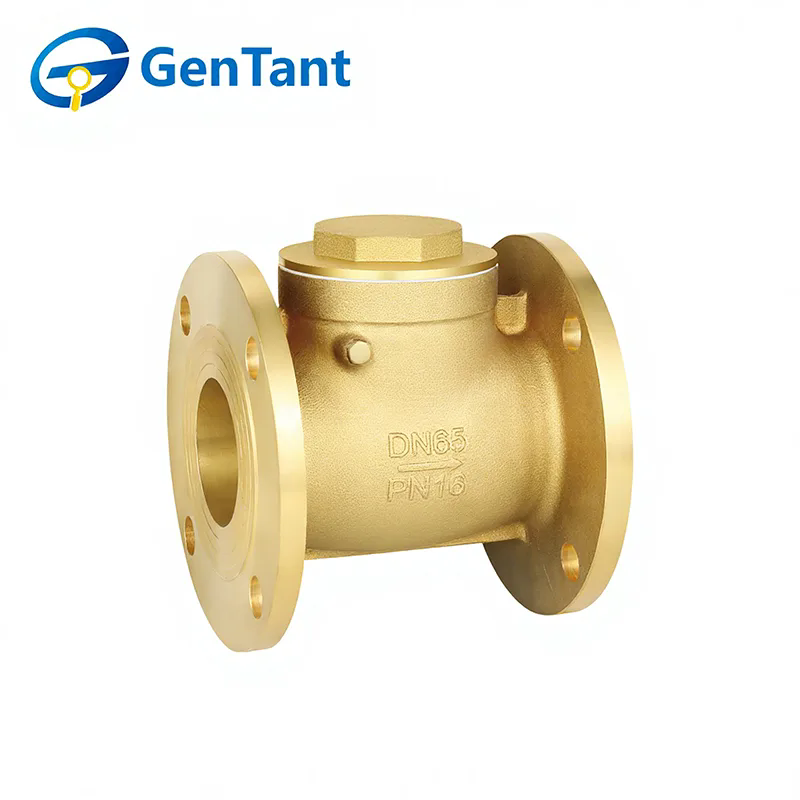
A flanged check valve is a type of non-return valve designed with flange connections at both ends so it can be bolted directly onto pipeline flanges. This connection method provides strong sealing performance and is particularly suitable for medium and large pipelines operating under higher pressure conditions. :contentReference[oaicite:1]{index=1}
The main function of a flanged check valve is to allow fluid to move in one direction while automatically stopping reverse flow. This prevents issues such as pump damage, water hammer, or contamination of upstream processes. :contentReference[oaicite:2]{index=2}
Because of their reliability and durability, flanged check valves are widely used in water systems, petrochemical plants, sewage treatment facilities, and industrial production lines.
Working Principle of a Flanged Check Valve
The operation of a flanged check valve relies on pressure differences between the inlet and outlet of the pipeline.
- When fluid flows in the correct direction, pressure pushes the valve disc open.
- The disc lifts or swings away from the valve seat, allowing the medium to pass.
- If the flow stops or reverses, reverse pressure pushes the disc back to the seat.
- The valve closes automatically and blocks backflow.
This automatic mechanism ensures that no external power or manual operation is required. The valve responds instantly to pressure changes in the system, providing continuous protection to pumps, compressors, and other critical equipment. :contentReference[oaicite:3]{index=3}
Main Components of a Flanged Check Valve
Understanding the internal structure of a flanged check valve helps engineers select the correct model for their pipeline system.
| Component | Function |
|---|---|
| Valve Body | Main housing that contains all internal components and connects to pipeline flanges. |
| Disc / Flapper | The moving element that opens and closes to control flow direction. |
| Valve Seat | Sealing surface that ensures tight shutoff when the disc closes. |
| Hinge or Guide | Allows controlled movement of the disc. |
| Spring (Optional) | Helps the valve close quickly and reduces water hammer. |
| Gasket | Ensures leak-proof sealing between flange connections. |
Most industrial flanged check valves are manufactured using durable materials such as cast iron, carbon steel, or stainless steel to withstand pressure, temperature, and corrosive media. :contentReference[oaicite:4]{index=4}
Key Technical Parameters
When selecting a flanged check valve, engineers must consider several technical parameters to ensure compatibility with the pipeline system.
- Nominal Diameter (DN)
- Pressure Rating (PN or Class)
- Working Temperature
- Material of Body and Disc
- Seal Material
- Connection Standard (ANSI, DIN, JIS)
| Parameter | Typical Range |
|---|---|
| Nominal Size | DN15 – DN600 |
| Pressure Rating | PN10 – PN40 / Class150 – Class600 |
| Working Temperature | -20°C to 400°C (depending on material) |
| Connection Type | Flanged (ANSI, DIN, JIS) |
| Applicable Media | Water, oil, steam, gas, chemicals |
Advantages of Using Flanged Check Valves
Many industrial facilities prefer flanged check valves because they provide reliable performance and easy maintenance.
- Automatic operation – No manual control or power supply required.
- Effective backflow prevention – Protects pumps and compressors.
- Strong pipeline connection – Flanged joints provide stable sealing.
- Easy maintenance – The valve can be removed without cutting the pipeline.
- Wide industrial compatibility – Suitable for various pressure and temperature conditions.
These advantages make flanged check valves essential components in modern industrial piping systems.
Typical Industrial Applications
Flanged check valves are commonly installed in many industrial systems where preventing reverse flow is critical.
- Water supply and treatment plants
- Oil and gas pipelines
- Chemical processing systems
- Steam and boiler pipelines
- Food and pharmaceutical processing lines
- Power generation facilities
In pump systems, for example, the valve is often installed on the discharge line to prevent water from flowing back into the pump when it stops running.
How to Choose the Right Flanged Check Valve
Selecting the correct valve model requires careful evaluation of system conditions. The following factors should always be considered:
- Pipeline pressure and temperature
- Type of fluid or gas
- Installation orientation (horizontal or vertical)
- Required sealing performance
- Maintenance accessibility
- Applicable industry standards
A properly sized valve ensures stable operation and prevents problems such as disc vibration, pressure loss, or premature wear.
Installation and Maintenance Tips
- Install the valve according to the flow direction arrow on the body.
- Ensure the flange surfaces are clean before installation.
- Use proper gaskets and torque when tightening flange bolts.
- Avoid installing the valve in positions where debris may accumulate.
- Inspect periodically for wear, corrosion, or sealing damage.
Correct installation significantly improves the reliability and service life of the valve.
Frequently Asked Questions
Q1: What is the difference between a flanged check valve and a threaded check valve?
Flanged check valves use bolt connections between pipe flanges, making them ideal for larger pipelines and higher-pressure systems. Threaded check valves are typically used for smaller pipelines.
Q2: Can a flanged check valve be installed vertically?
Yes, but installation orientation depends on the valve type. Swing check valves are typically installed horizontally, while lift check valves can operate in vertical pipelines.
Q3: What causes water hammer in check valves?
Water hammer occurs when the valve closes too quickly due to sudden flow reversal. Using spring-assisted check valves or proper system design can help reduce this issue.
Q4: How long does a flanged check valve last?
With proper material selection and maintenance, industrial check valves can operate reliably for many years in demanding environments.
Conclusion
A flanged check valve is a critical component in modern pipeline systems, ensuring that fluids flow safely in one direction while preventing costly backflow problems. By understanding its working principle, structure, and application requirements, engineers and facility managers can select the right valve to improve system reliability and operational efficiency.
As a professional industrial valve supplier, GenTant provides high-quality flanged check valves designed for durability, precision sealing, and reliable performance in demanding industrial environments. If you are looking for dependable valve solutions for your pipeline system, our engineering team is ready to assist.
Contact us today to learn more about our flanged check valve products and discover how GenTant can support your next industrial project.
Related News
- Why Is a Static Balancing Valve Important for HVAC Efficiency?
- Why Are Filtration And Protection Valves Vital for Modern Fluid Systems?
- Why Are Pressure Management And Safety Valves Essential for Modern Fluid Systems?
- How Does a Static Balancing Valve Improve Your HVAC System?
- How Does an Isolation And Shut-Off Valve Improve System Safety?
- How Does a Pressure Reducing Valve Improve System Efficiency and Safety?
Leave me a message